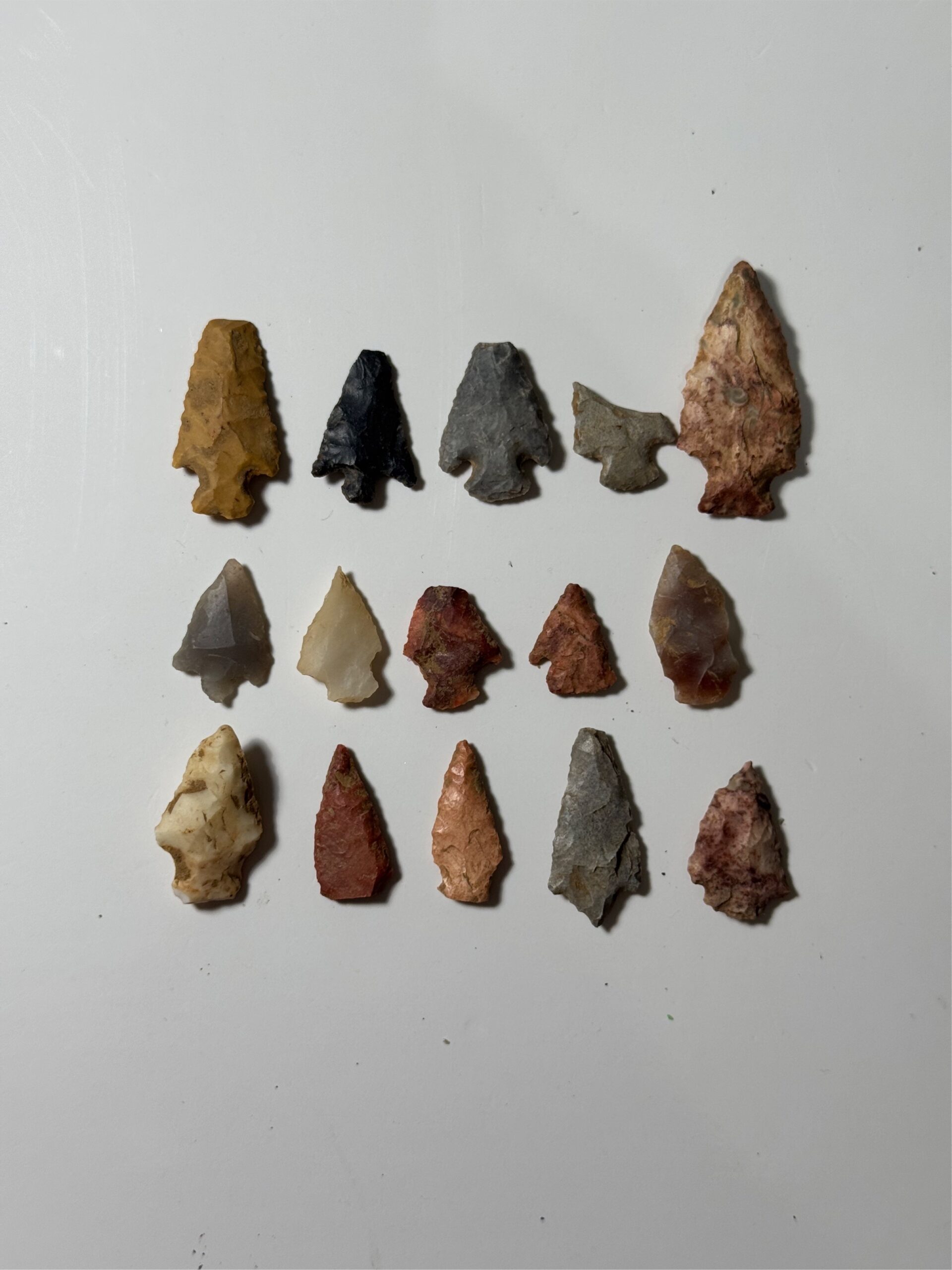
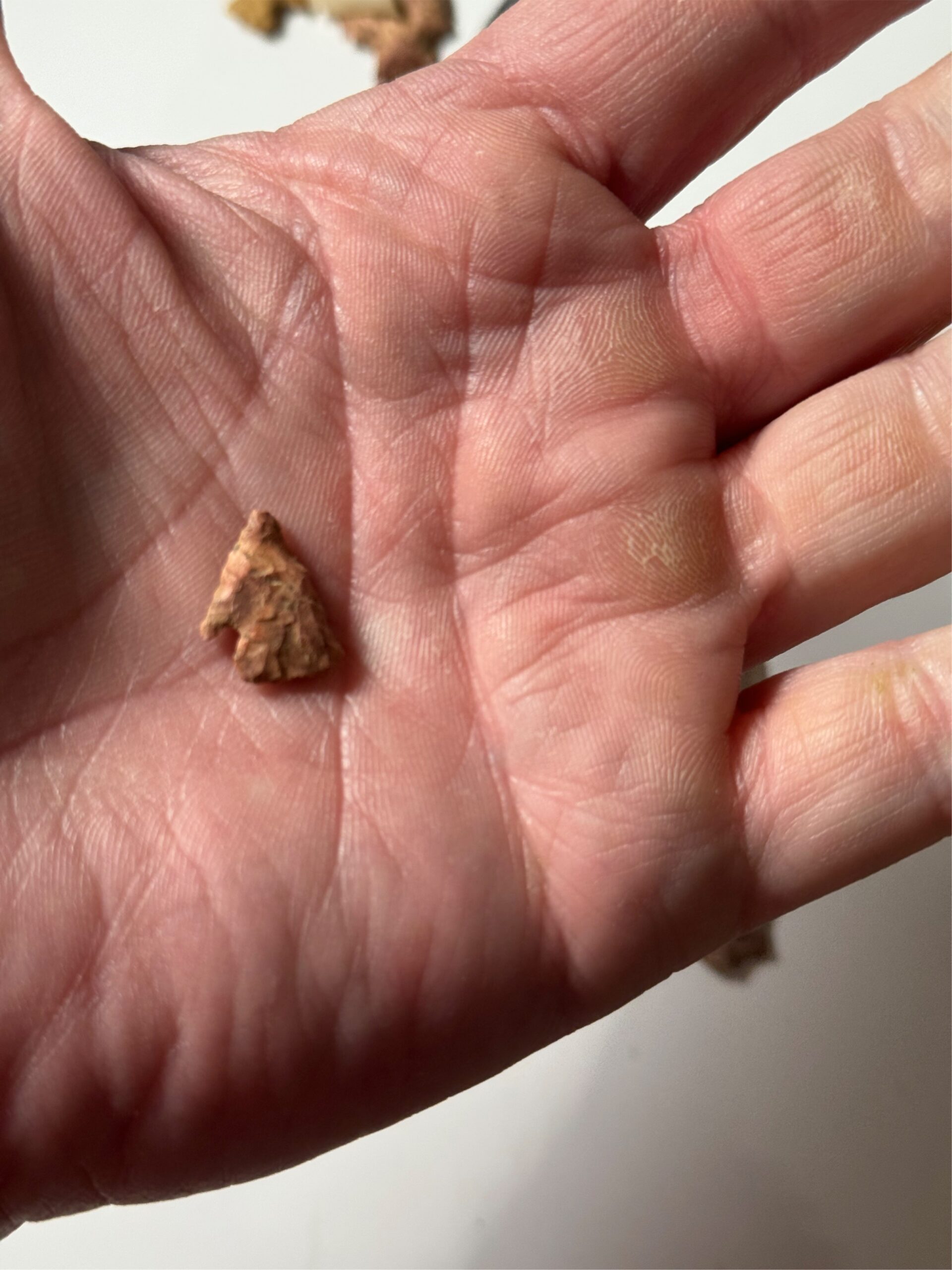
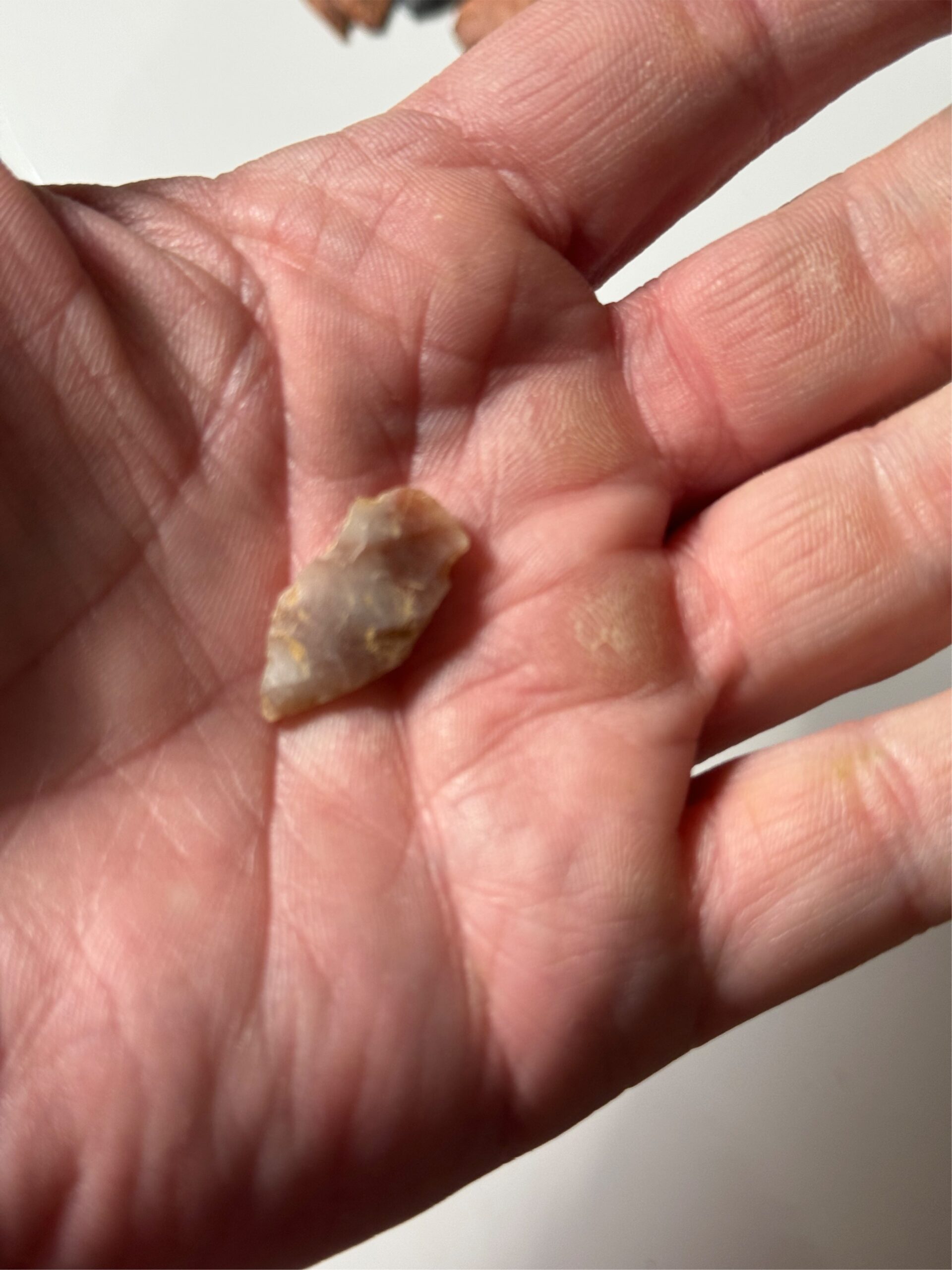
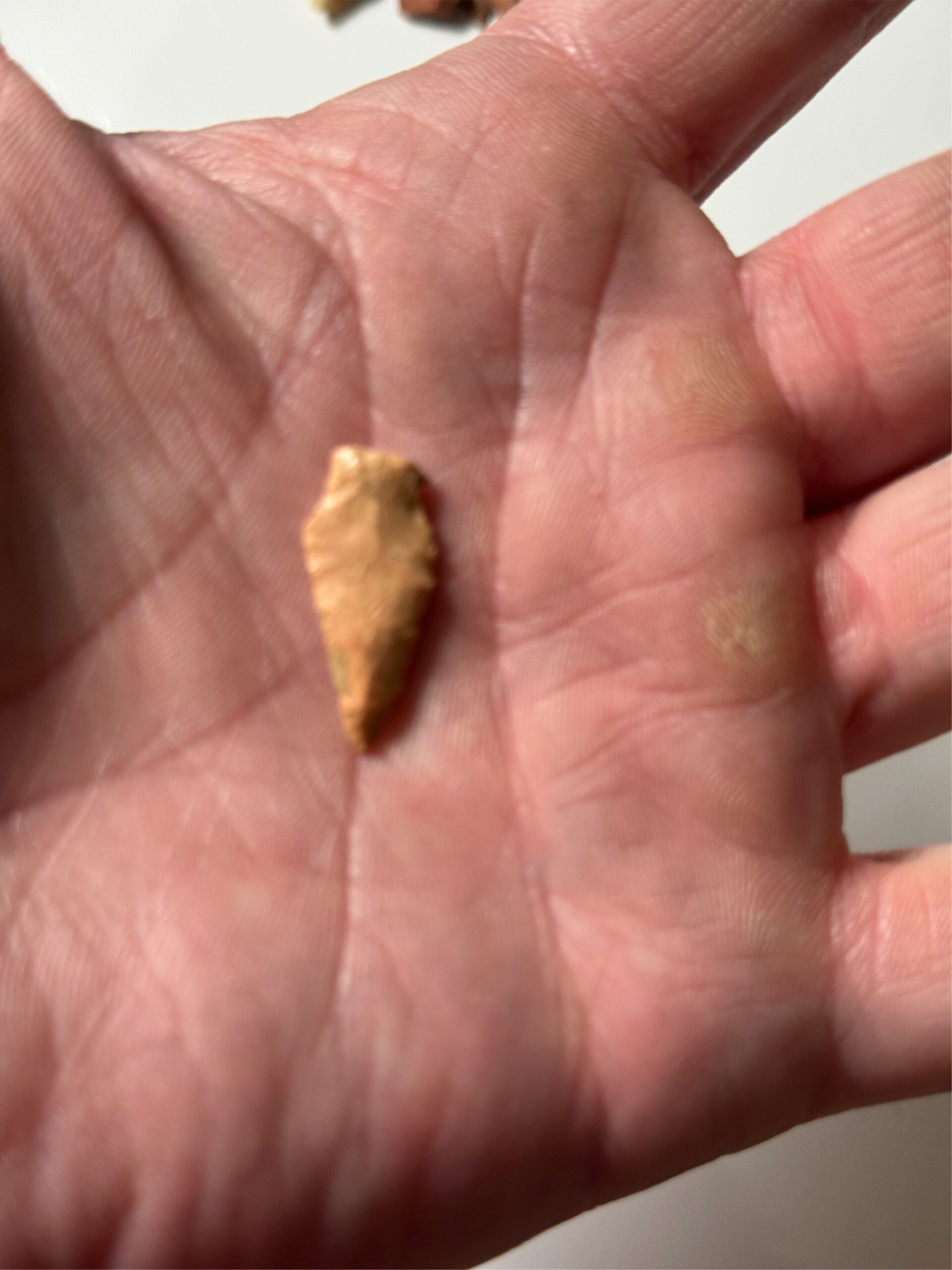
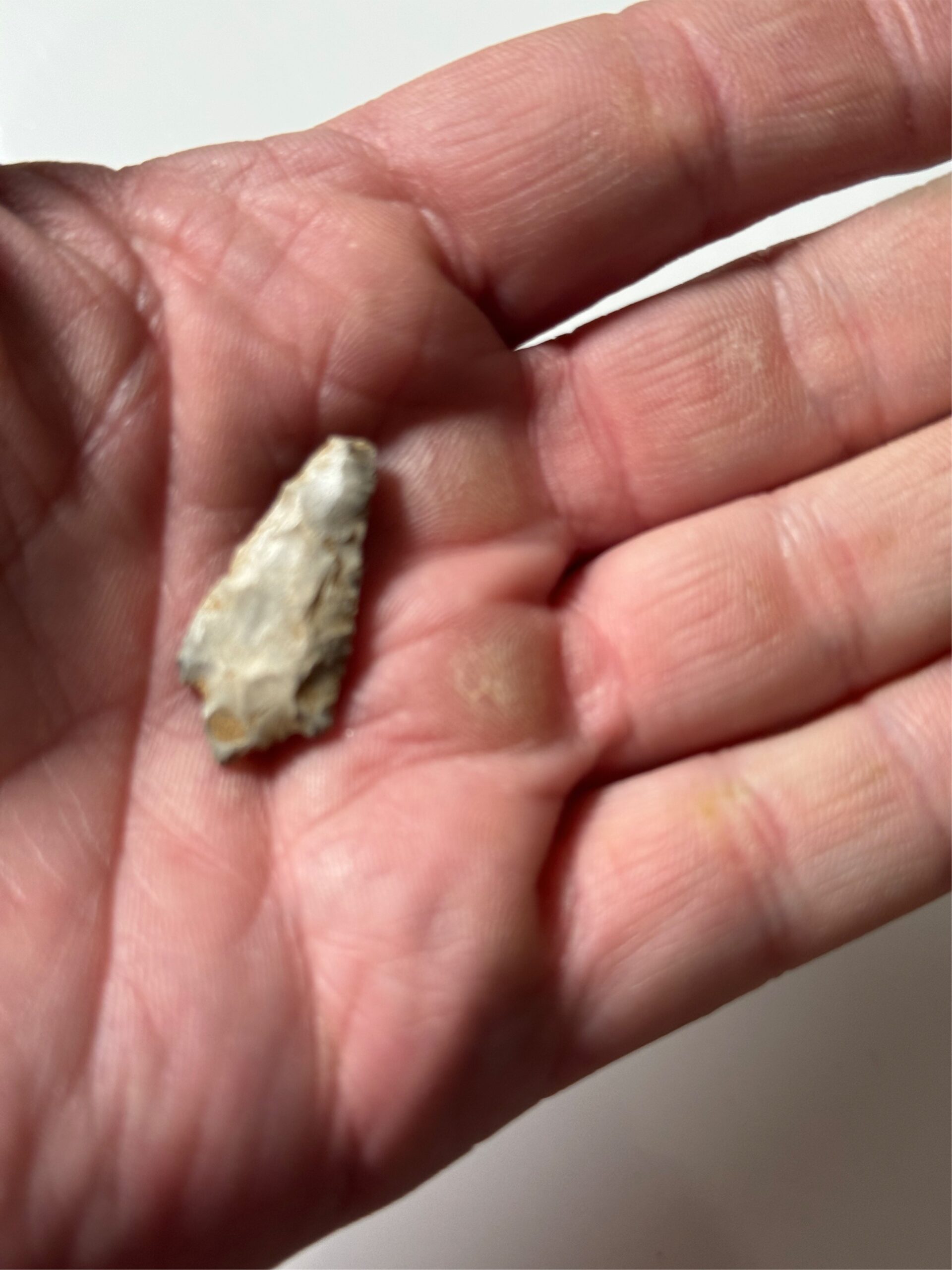
Description
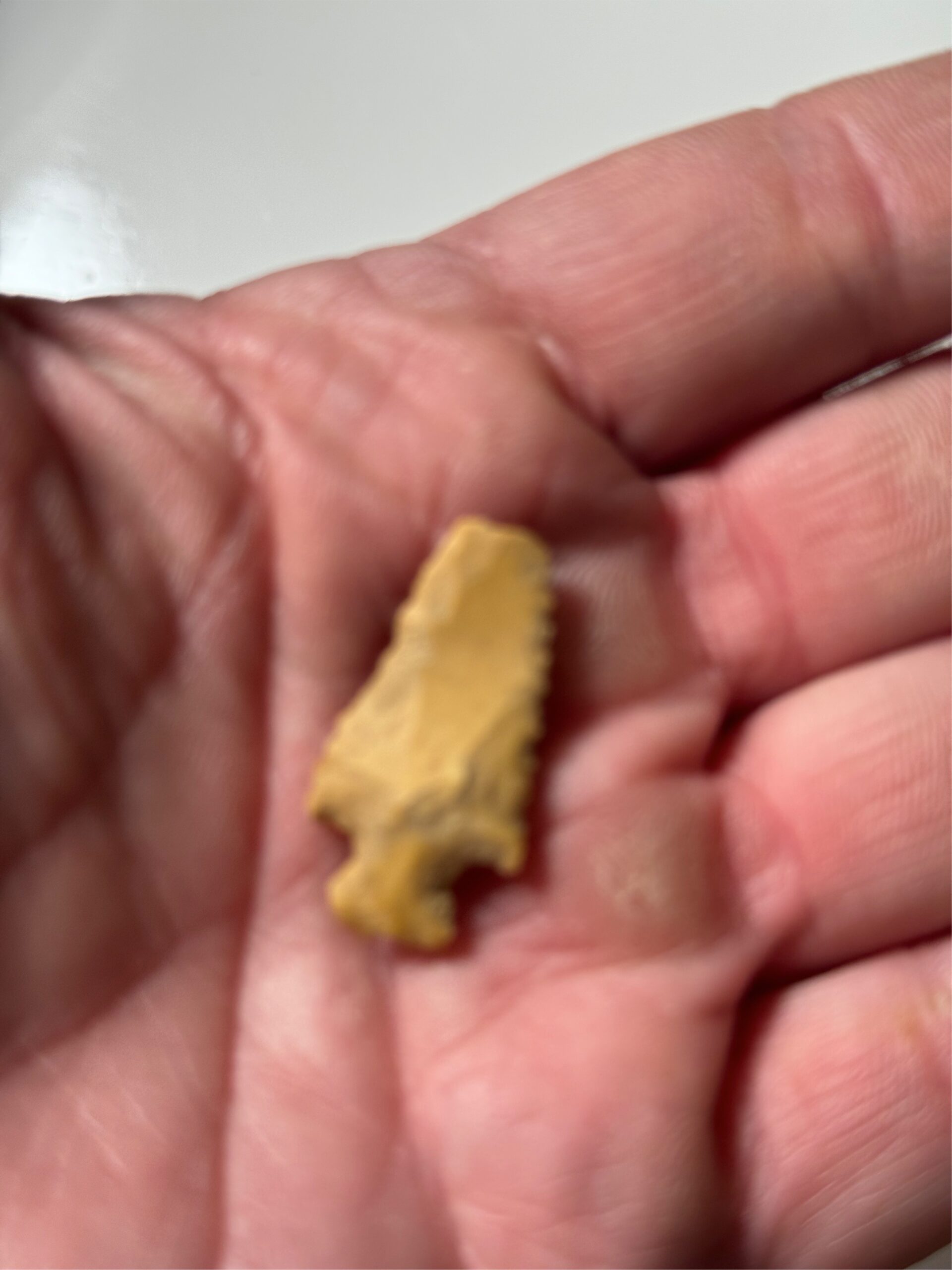
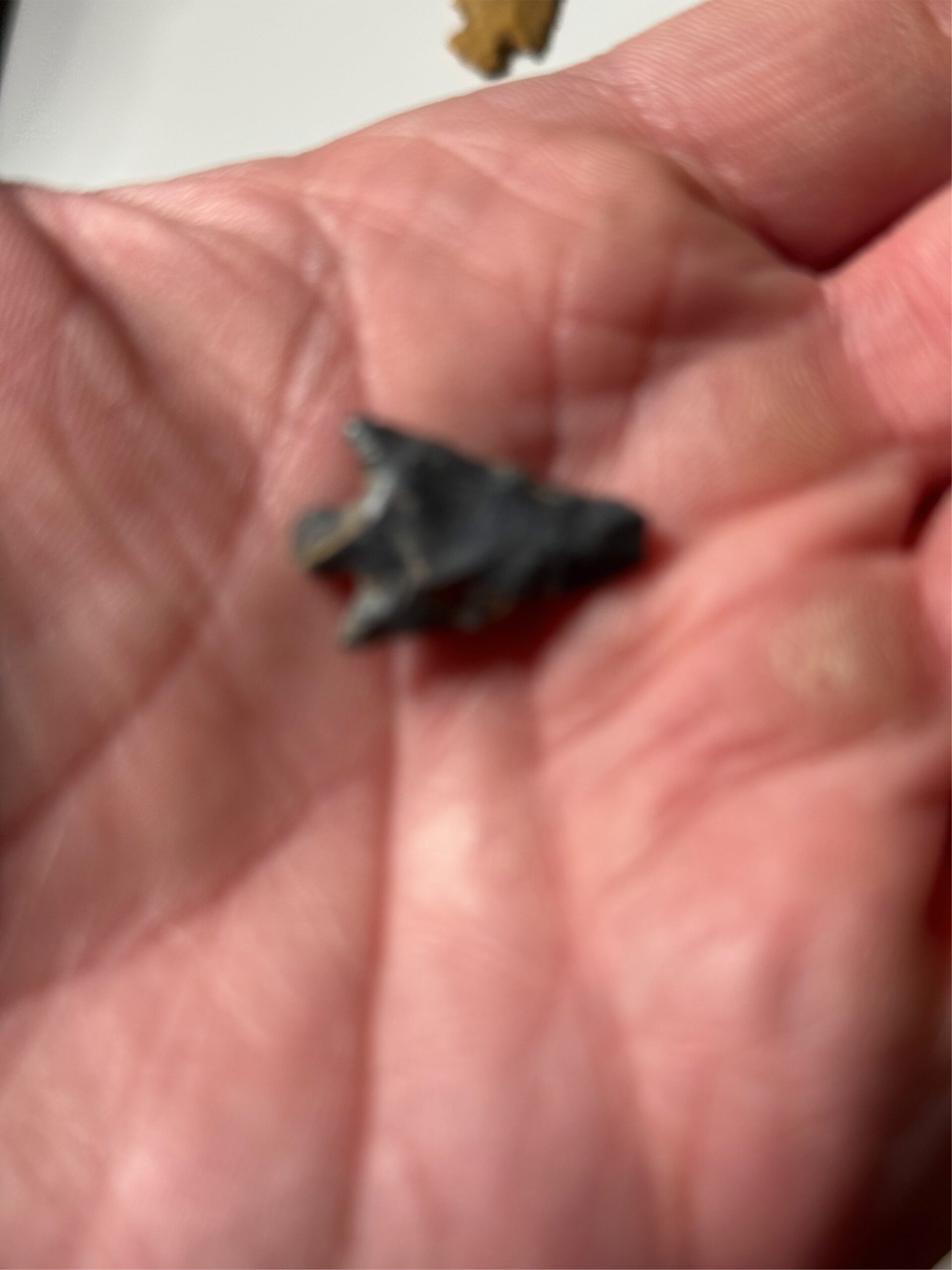
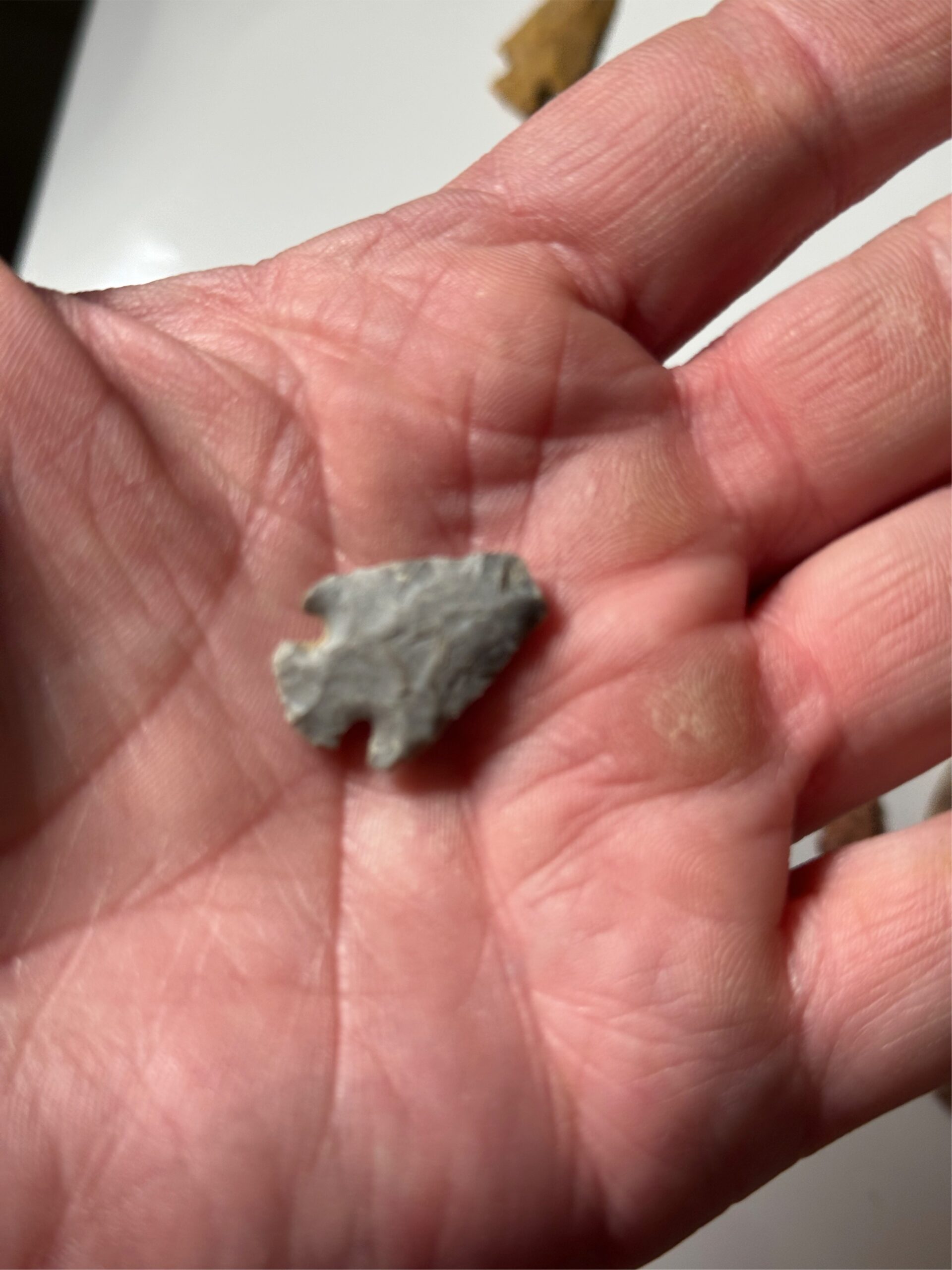
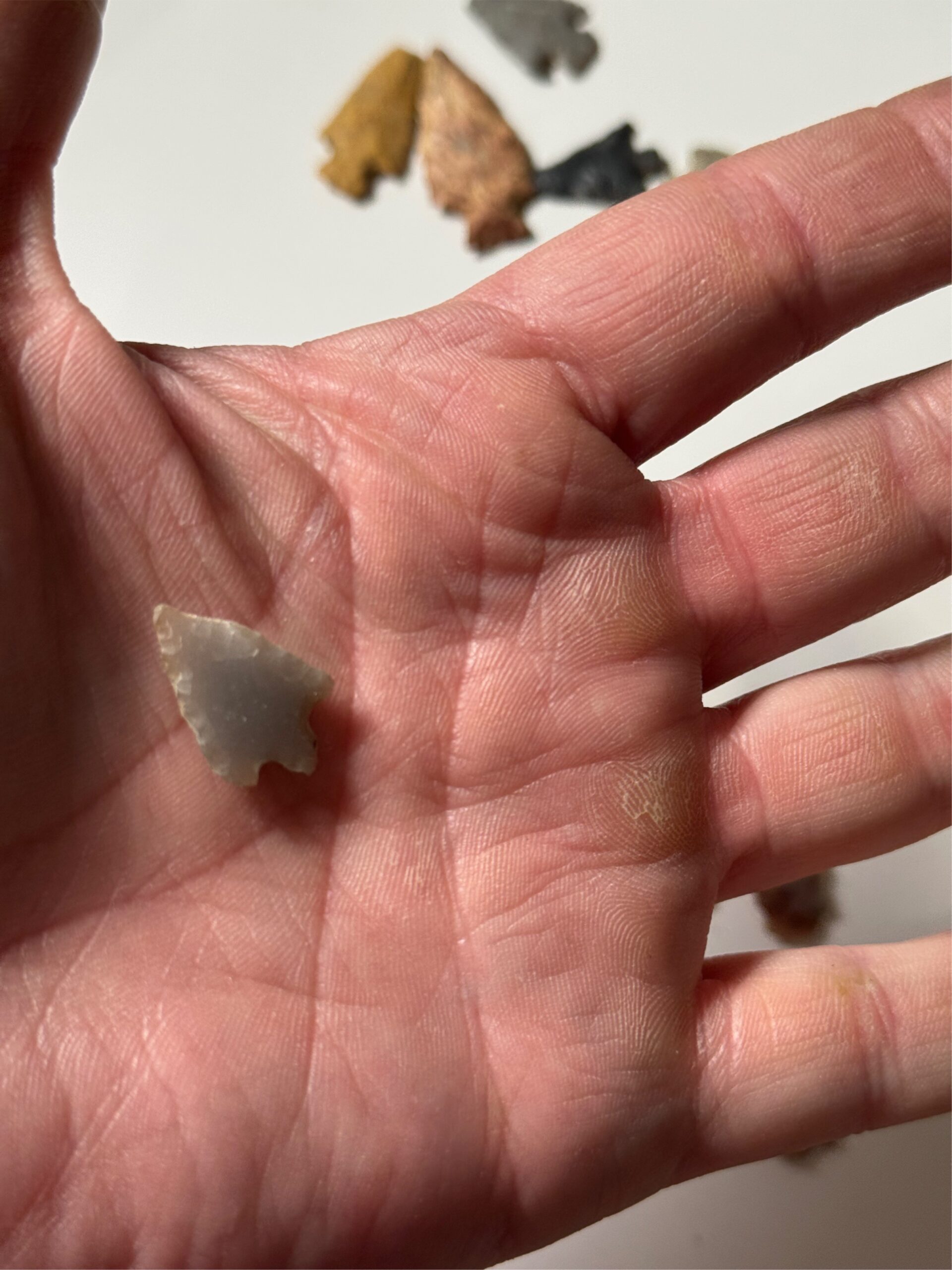
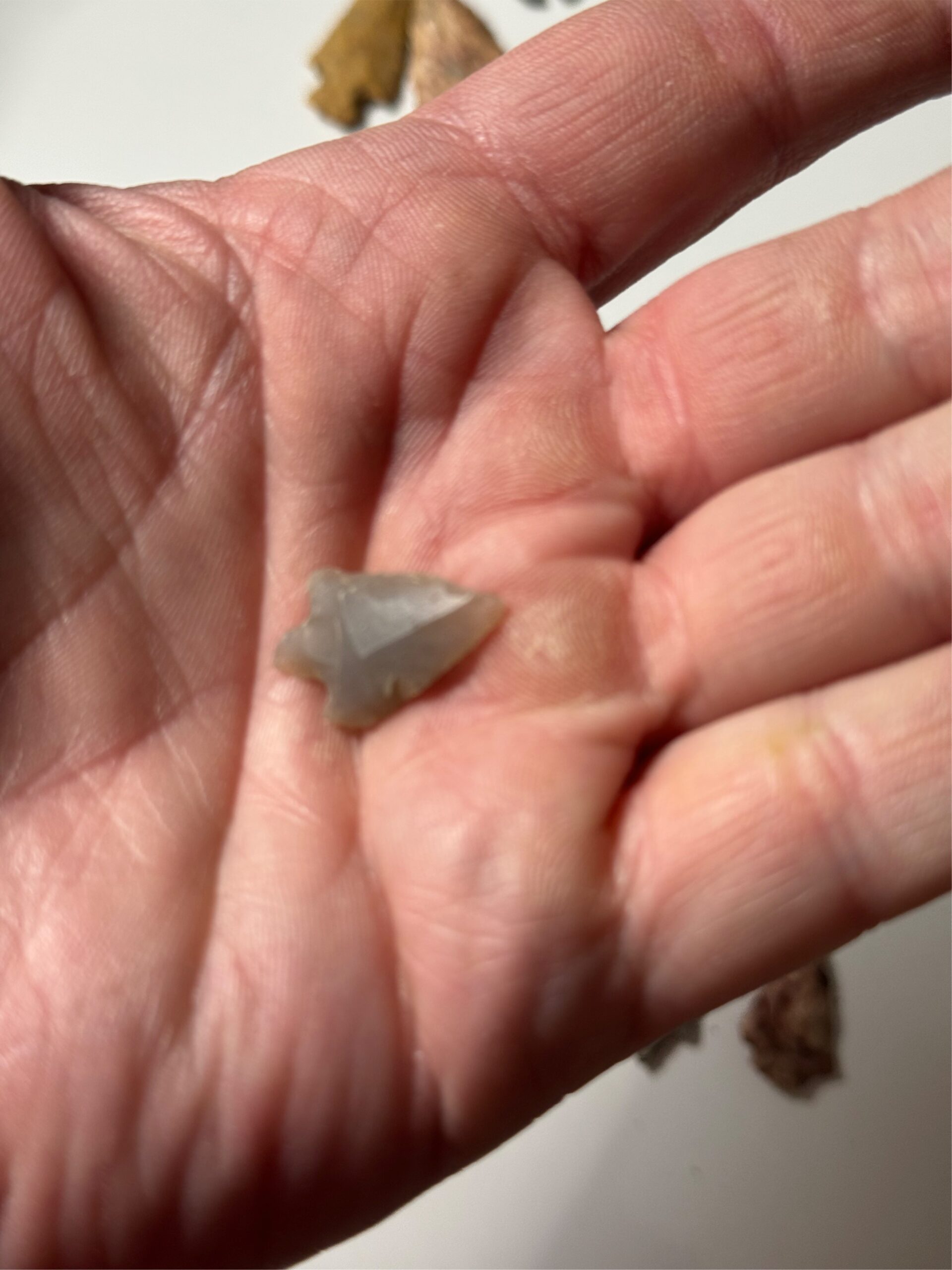
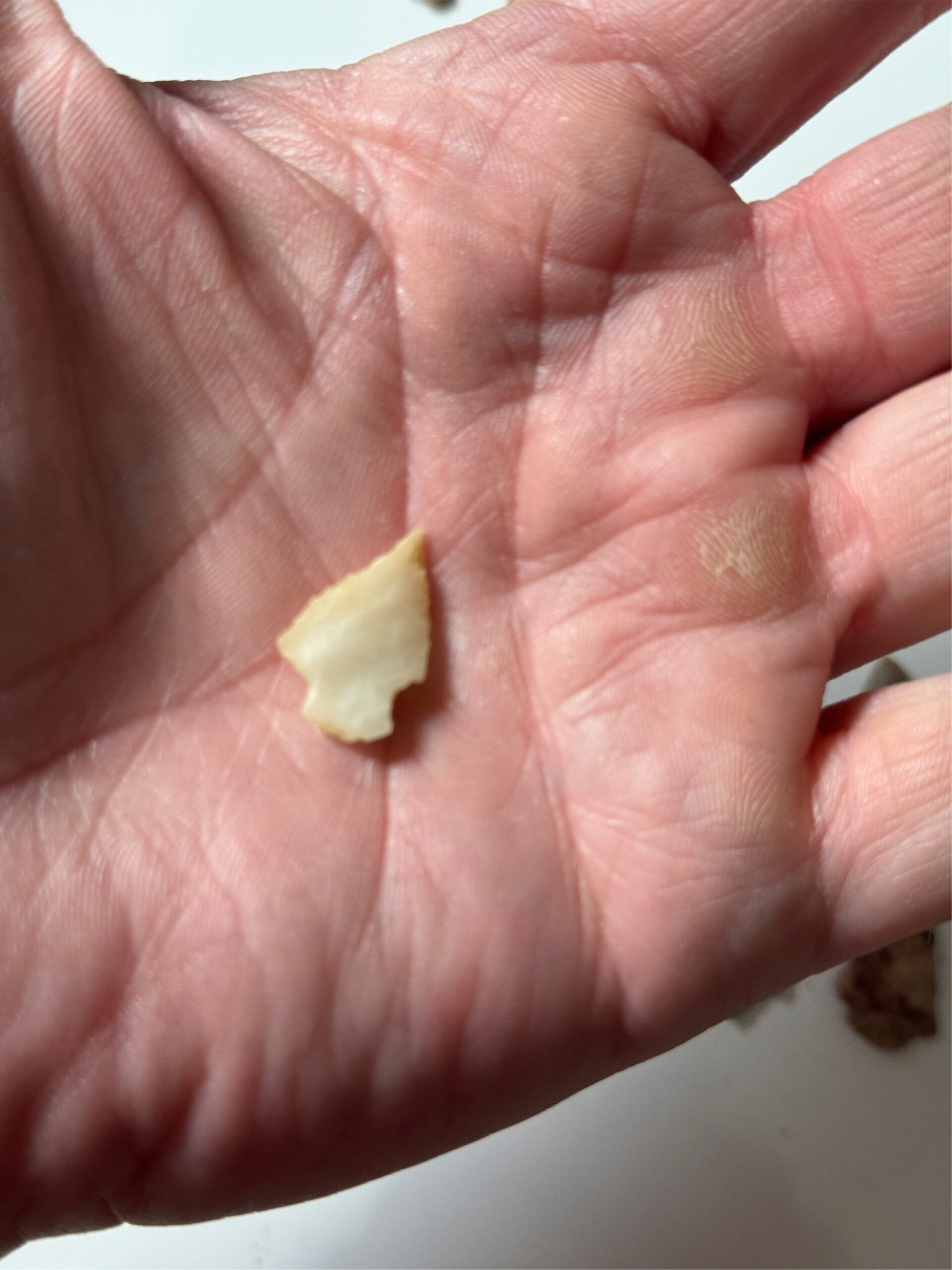
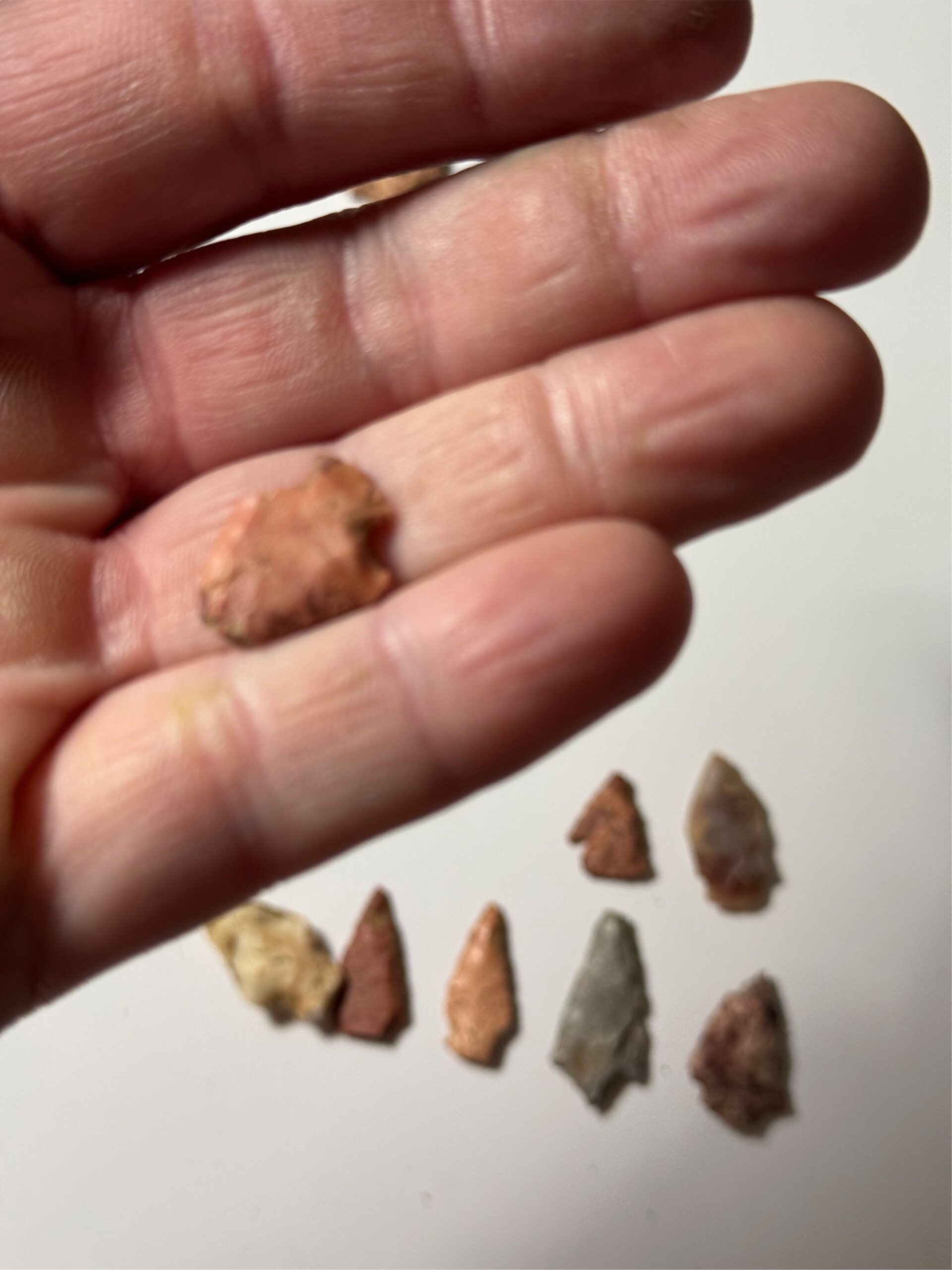
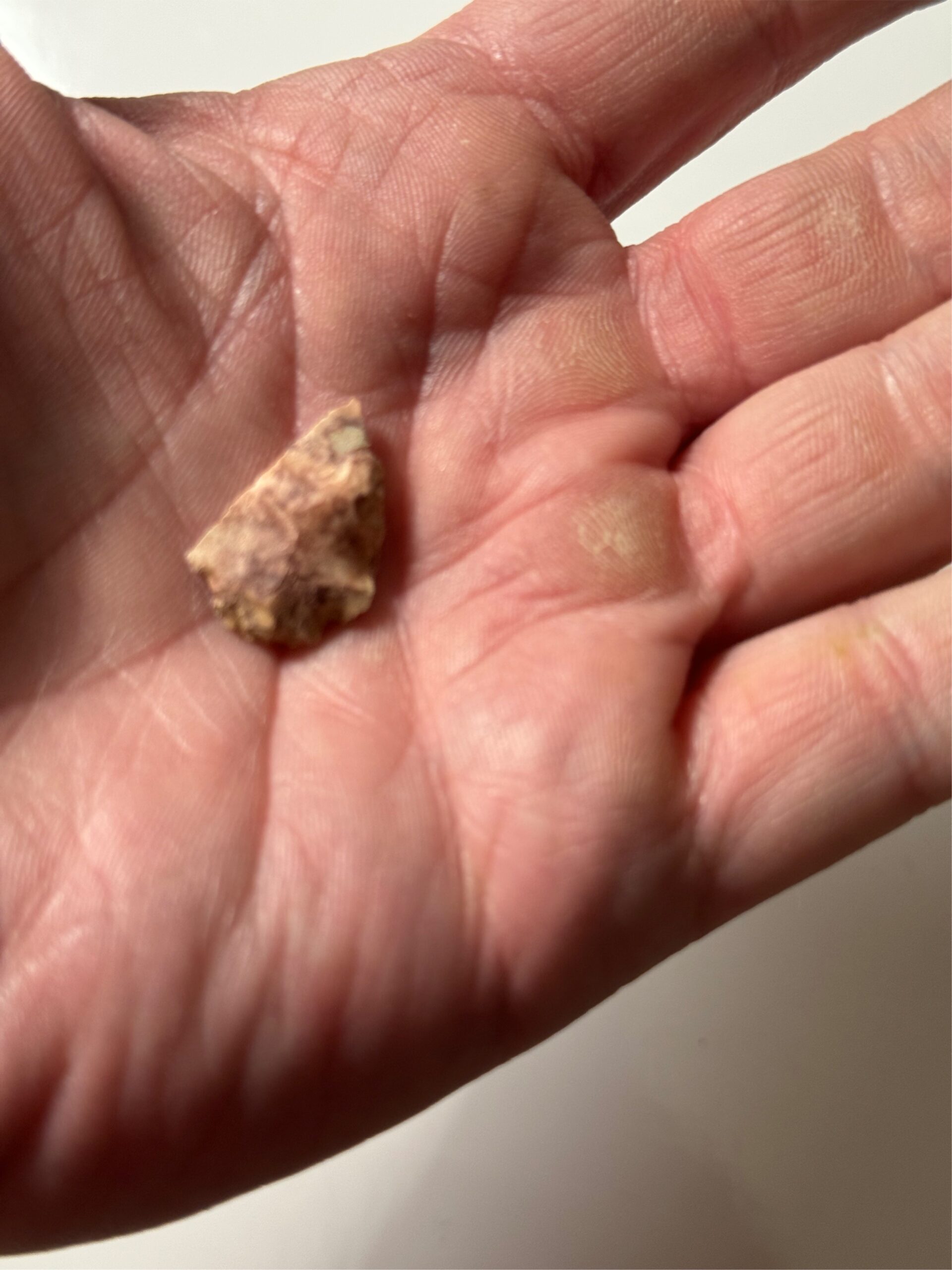
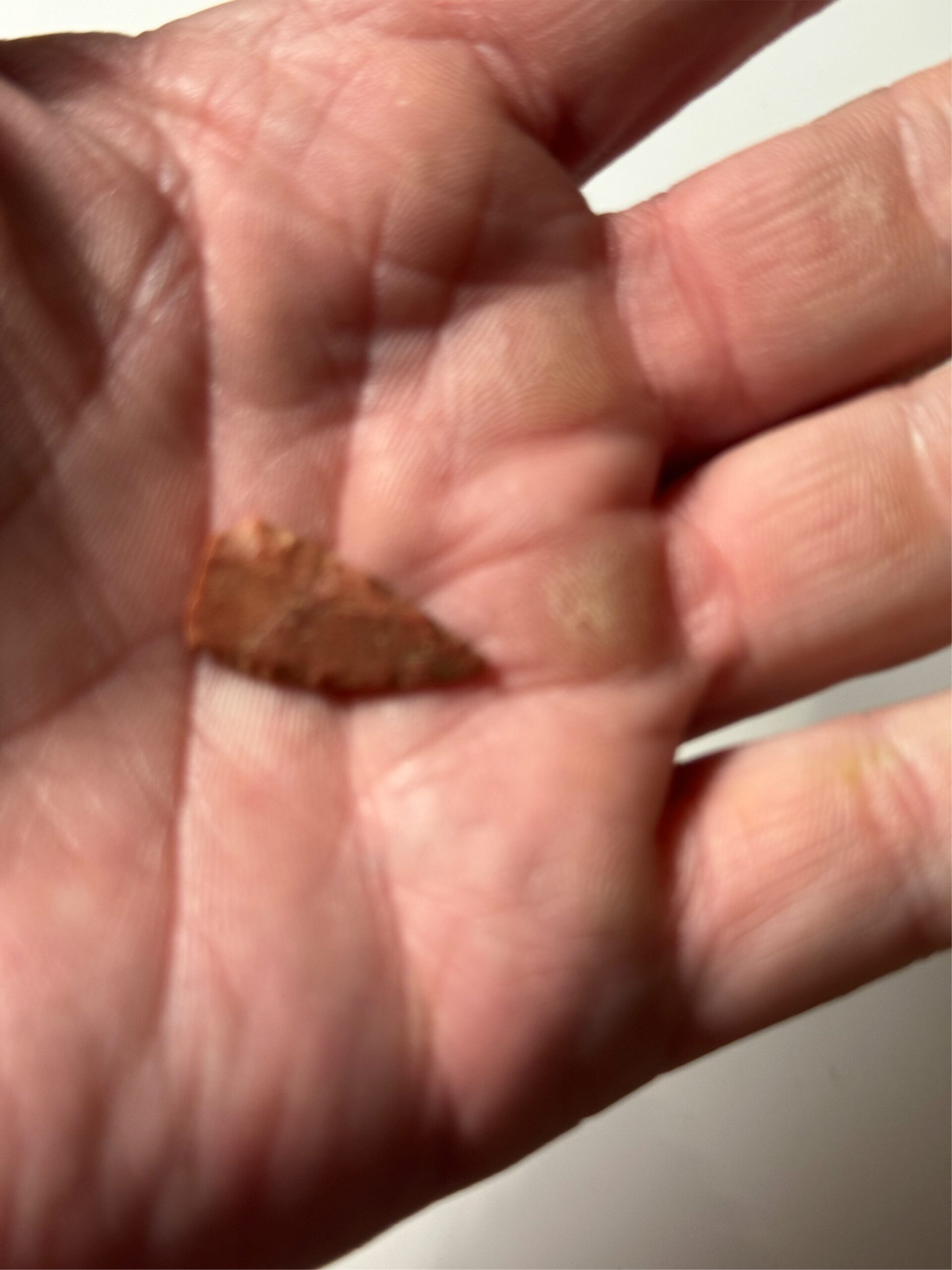
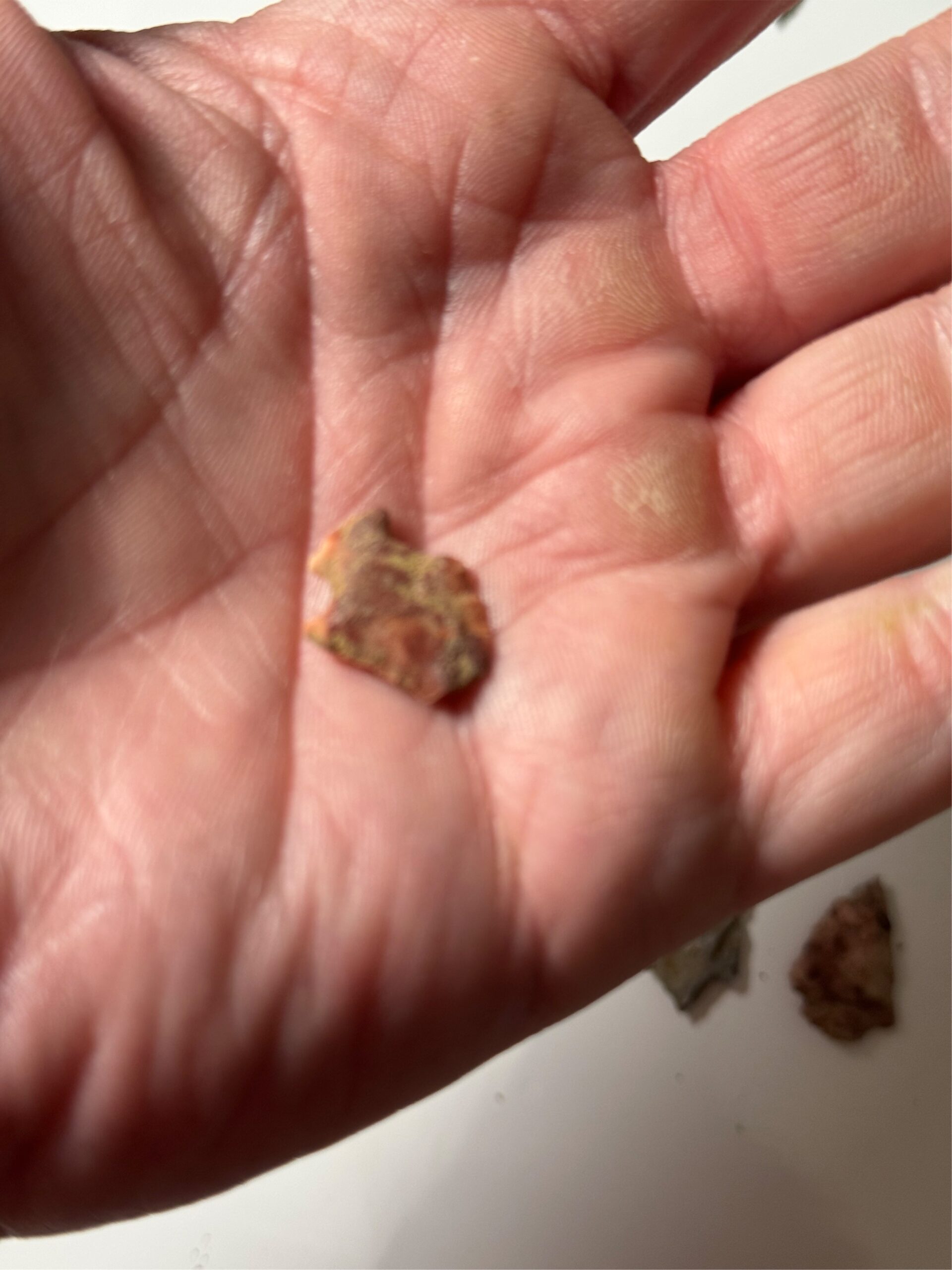
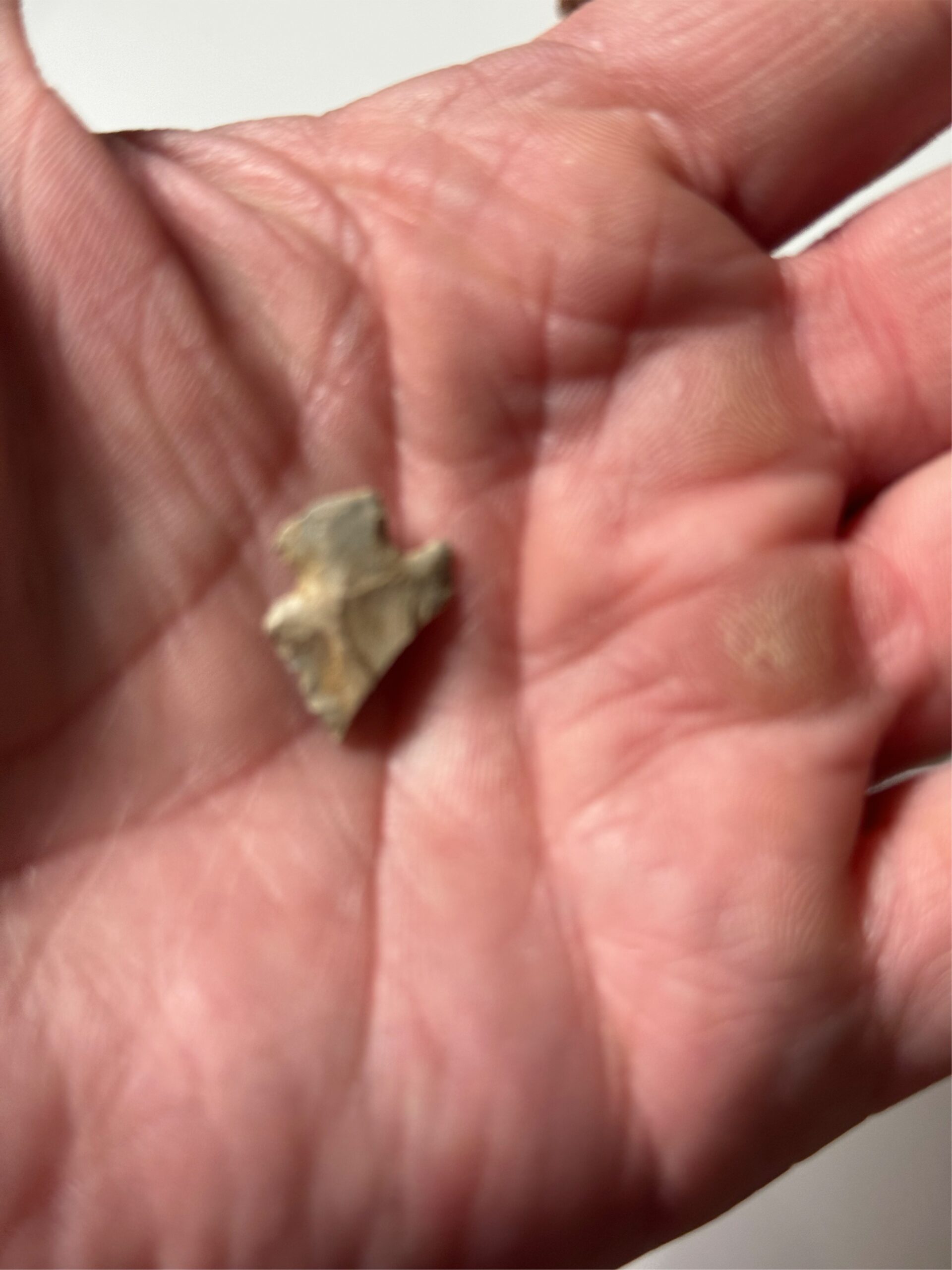
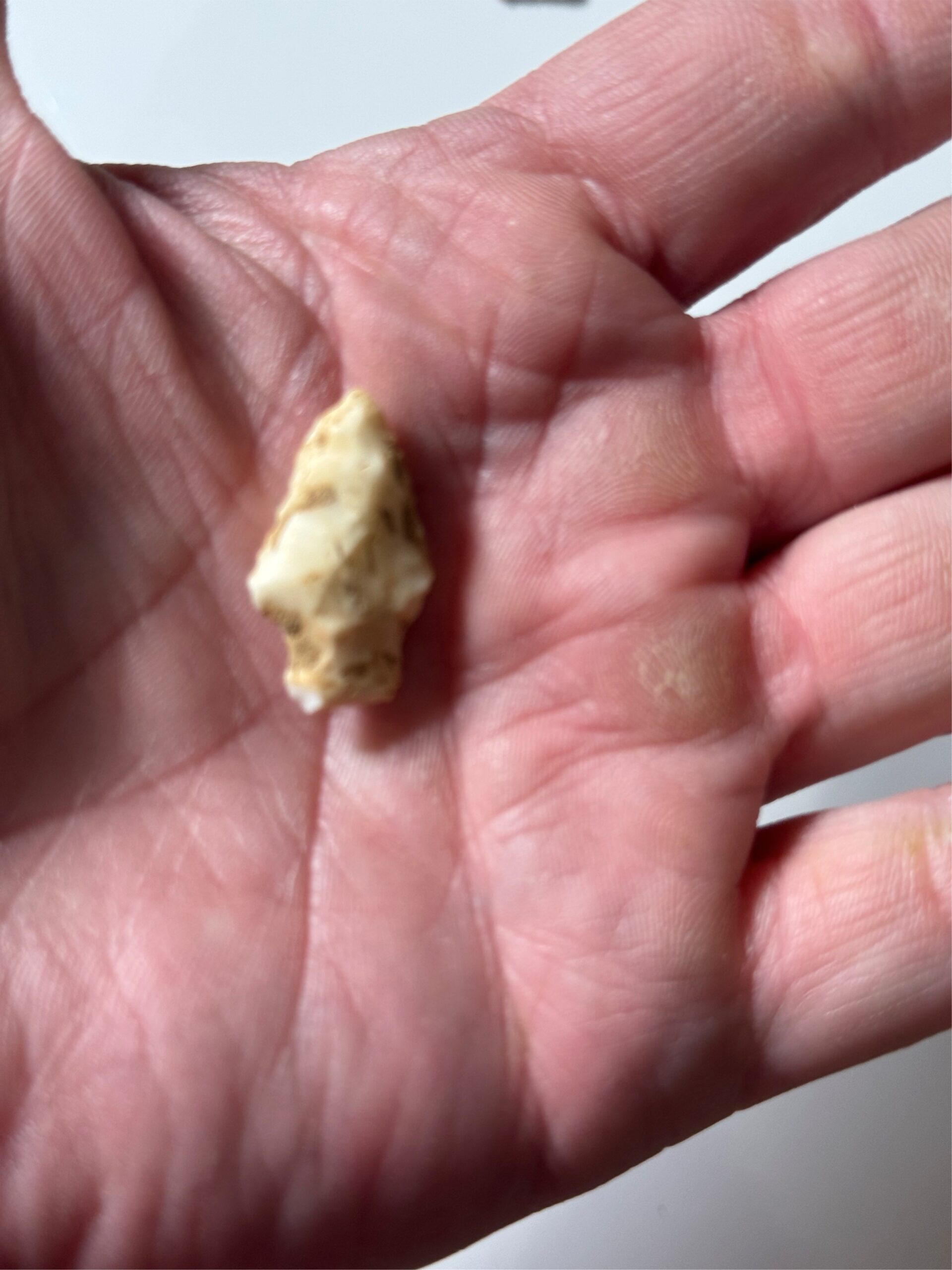
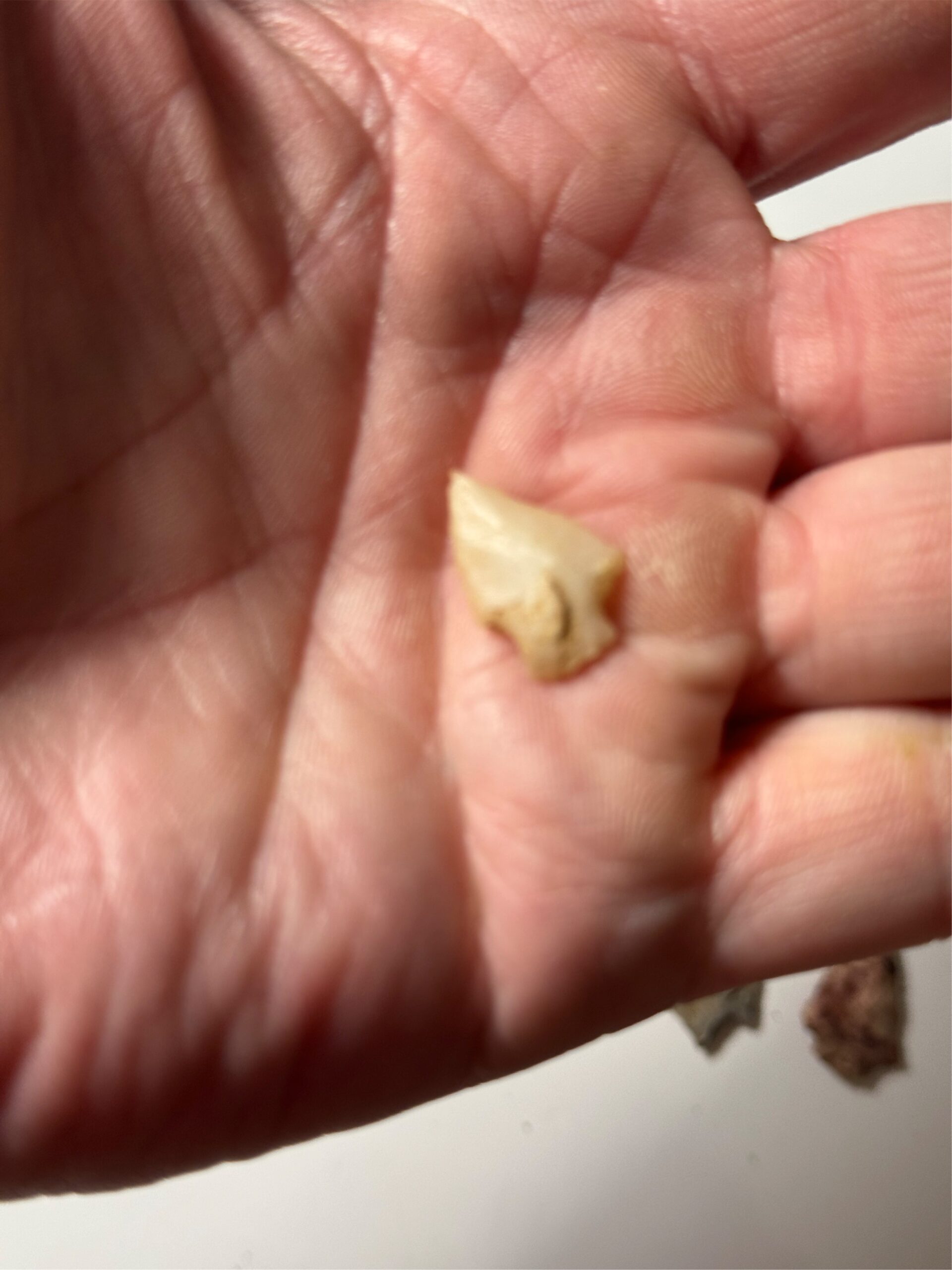
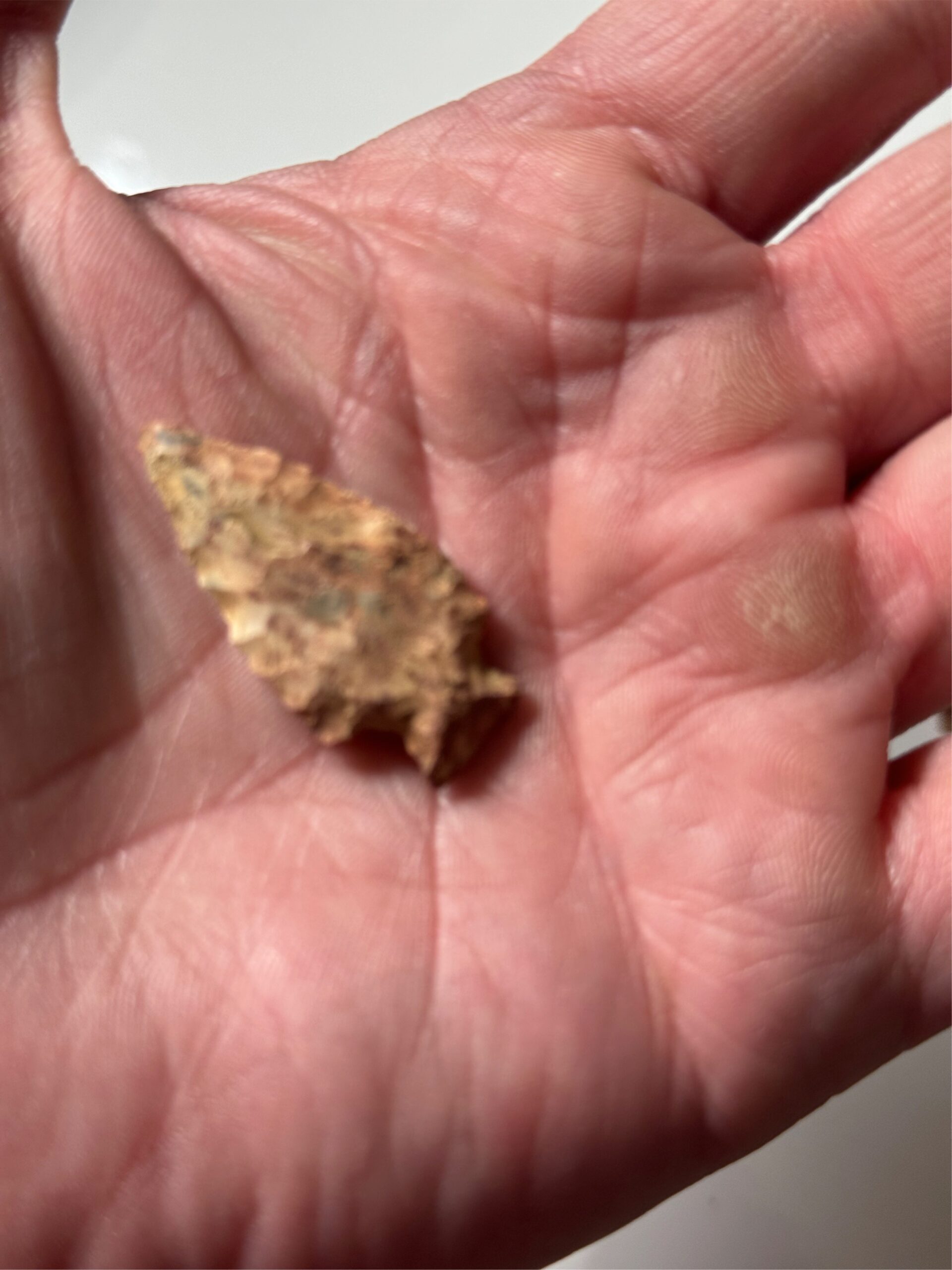
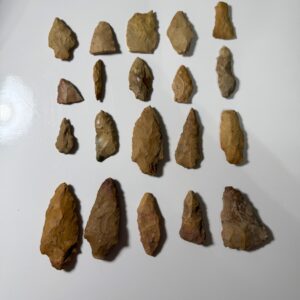
The Eastern Arkansas Small Point CollectionThis curated set of 15 authentic Native American projectile points was surface-recovered from a private farm in Eastern Arkansas. The collection represents a vast timeline of human history in the Mississippi River Valley, featuring a variety of lithic materials including local river cherts, Novaculite, and jasper.From the larger dart points of the Archaic period to the delicate “bird points” of the Mississippian era, this collection showcases the craftsmanship and evolution of stone tool technology in the American Southeast. Each piece tells a story of the ancient hunters and gatherers who once lived and worked along the fertile plains of the Arkansas Delta.Piece-by-Piece IdentificationBased on the photo (row by row, left to right):Top Row Archaic Stemmed Point: A large, tan/yellow chert point with a clear stem. Likely used as a dart or knife tip. Black Chert Point: Deeply notched with a thinning base; this darker material is common in the Delta region. Grey Contracting Stem: A classic “Gary” or “Burkett” style point, very common in the Woodland period. Flint Scrap: This appears to be a “re-chipped” or broken point that was repurposed as a scraper or thumb tool. Large Multi-Color Point: The “centerpiece” of the top row. It has a distinctive stemmed base and beautiful reddish-tan mottling, possibly Novaculite.Middle Row Grey Translucent Point: Likely a small dart point with a slightly expanding stem. White Quartzite/Chert Point: A clean, triangular point with a small stem. Red Jasper Point: Vibrant red material; these “heat-treated” cherts were often used for aesthetic and functional durability. Small Triangular Arrow Point: Often called a “Madison” or “Fresno” point. These are true arrowheads used with a bow and arrow (Late Woodland/Mississippian). Stemmed Knife/Point: A thicker, purplish-grey piece that shows signs of heavy use or “resharpening.”Bottom Row White “Bird Point”: A classic small Mississippian arrow point. The light color suggests high-quality local chert. Red Triangular Point: Similar to #9, a very late prehistoric arrow tip. Tan Lanceolate Point: Note the absence of deep notches; this is an elegant, slender design. Grey Siltstone/Chert: A longer, narrow point that may have been used for fishing or small game. Pinkish Mottled Point: Shows beautiful natural mineral staining common in Arkansas soil.

Reviews
There are no reviews yet.