Description
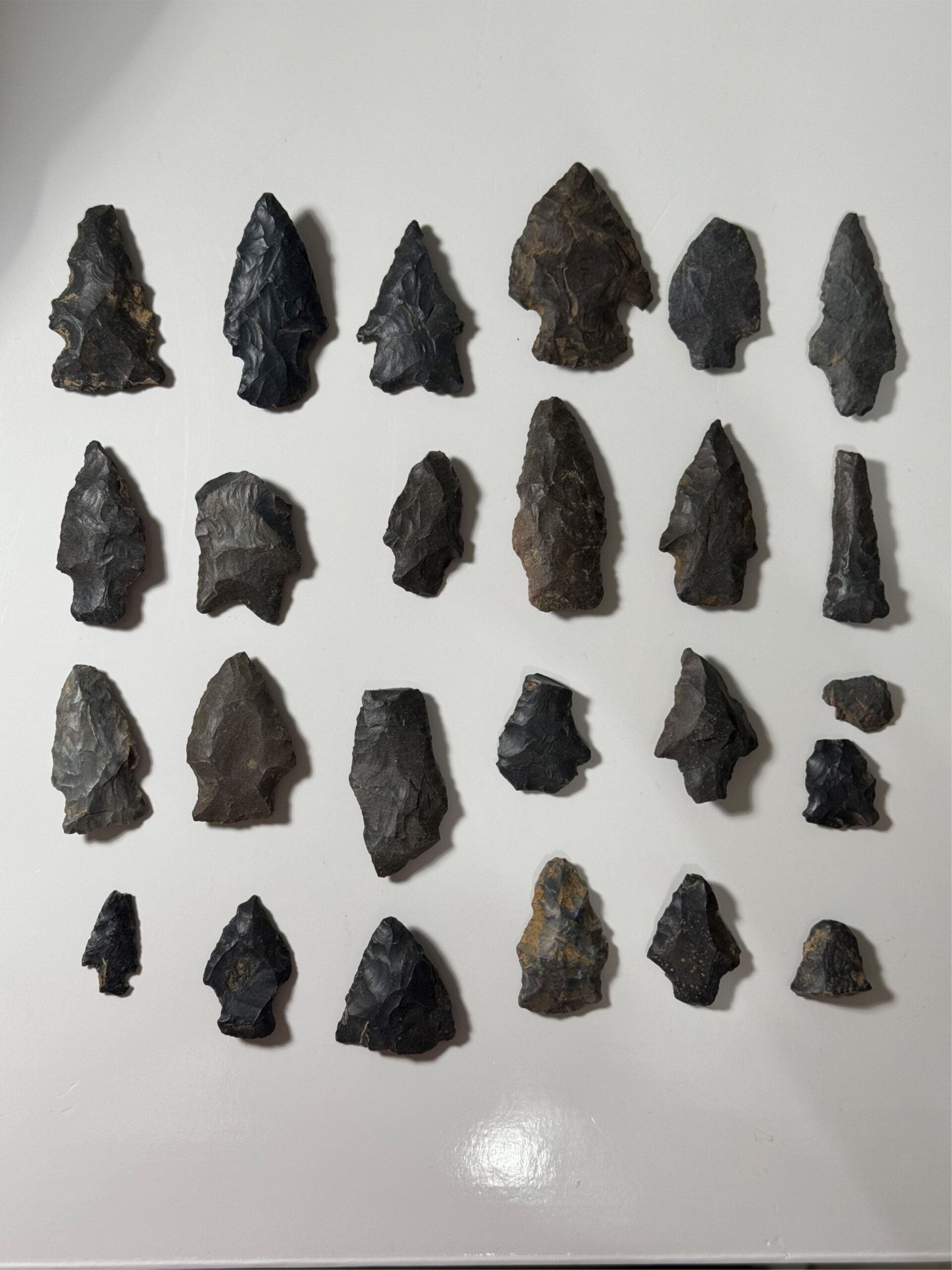
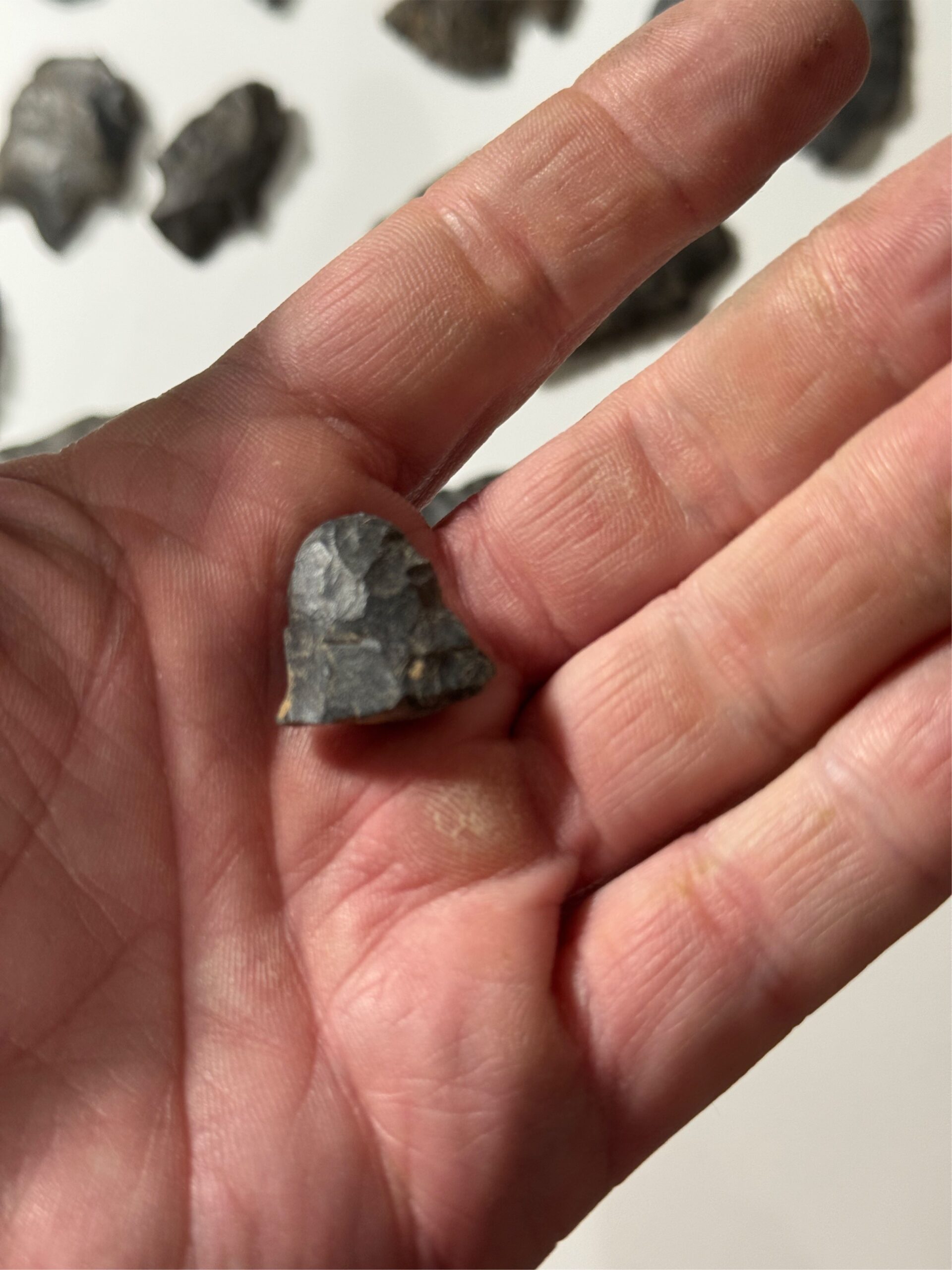
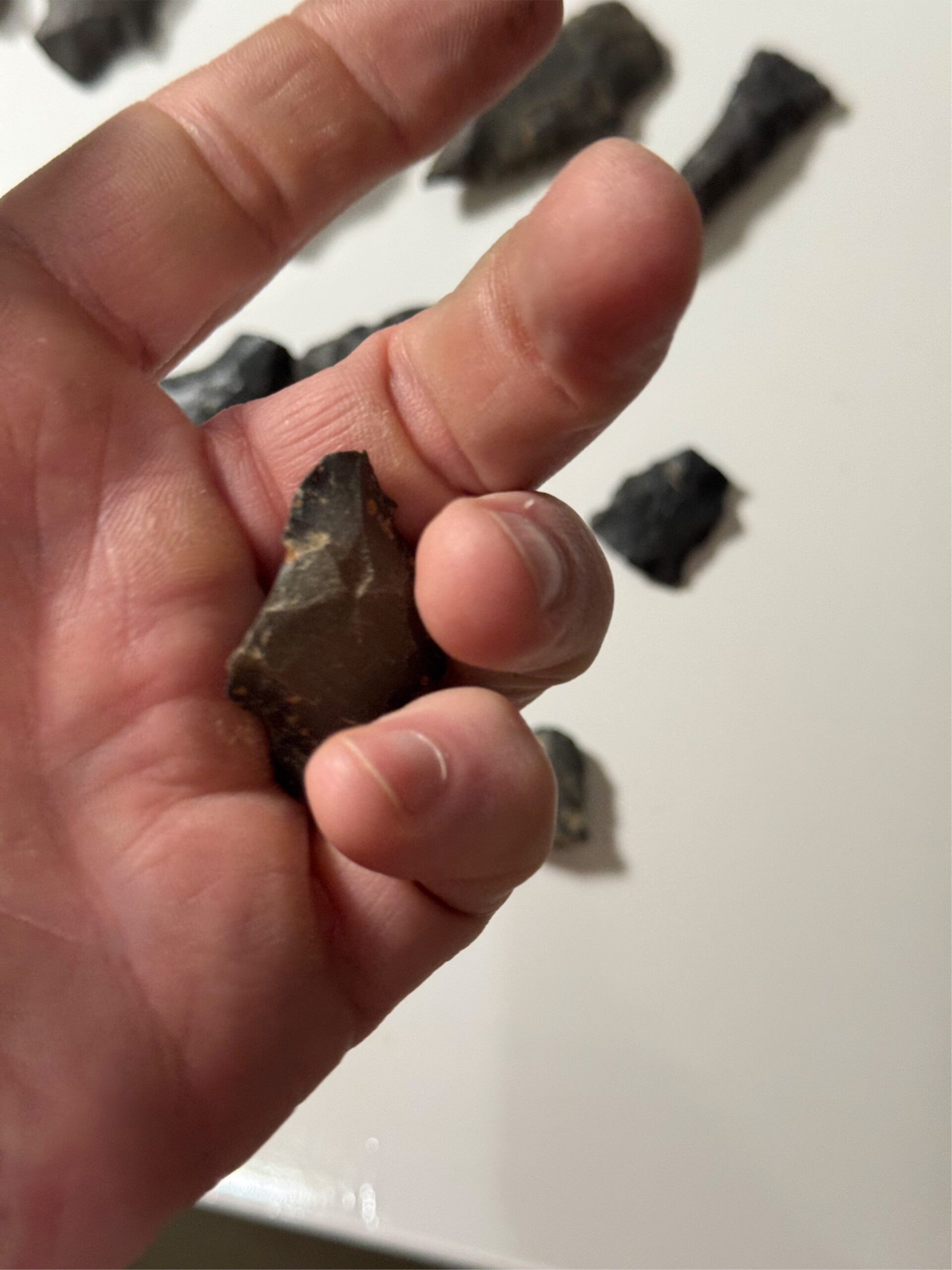
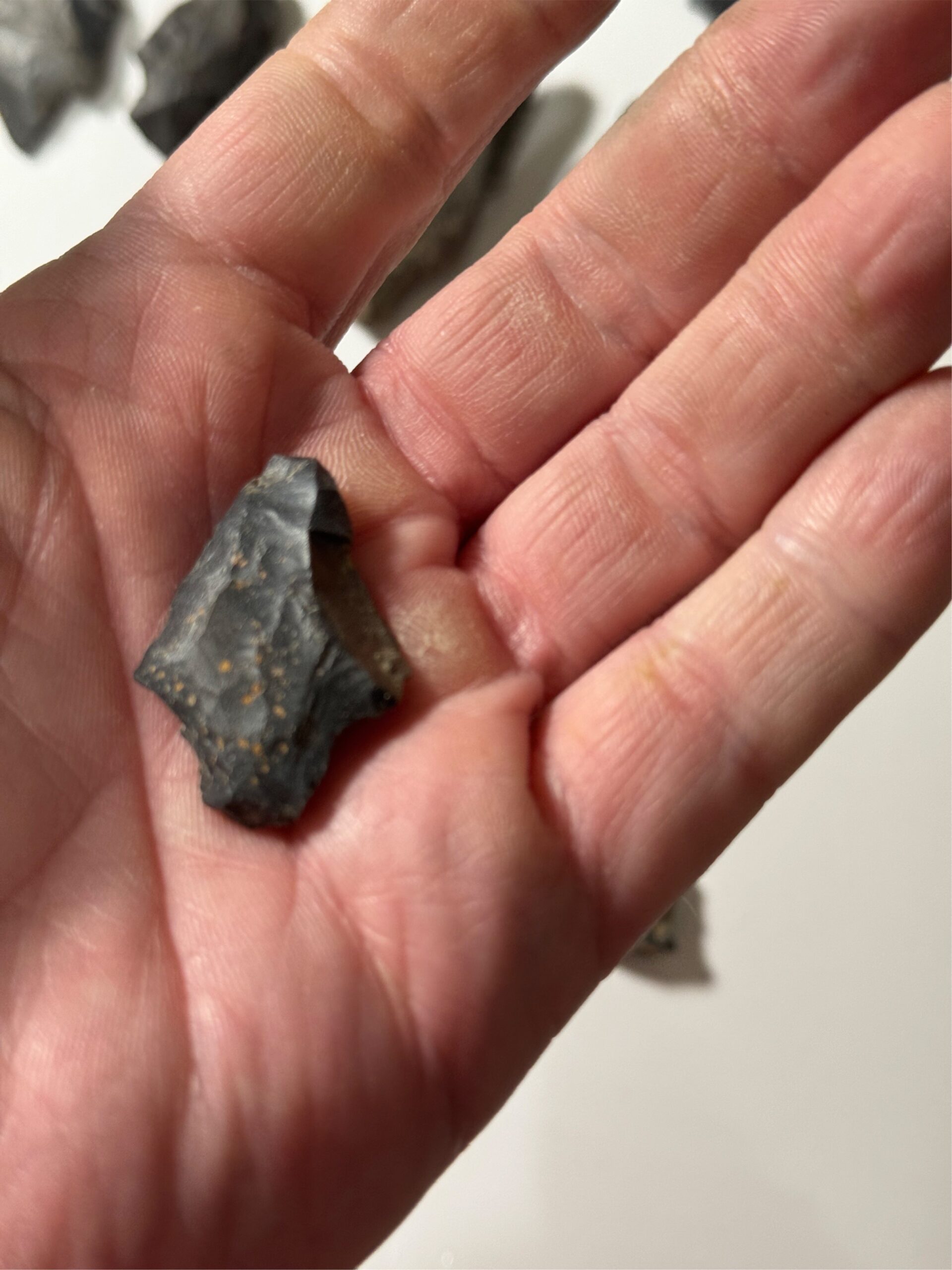
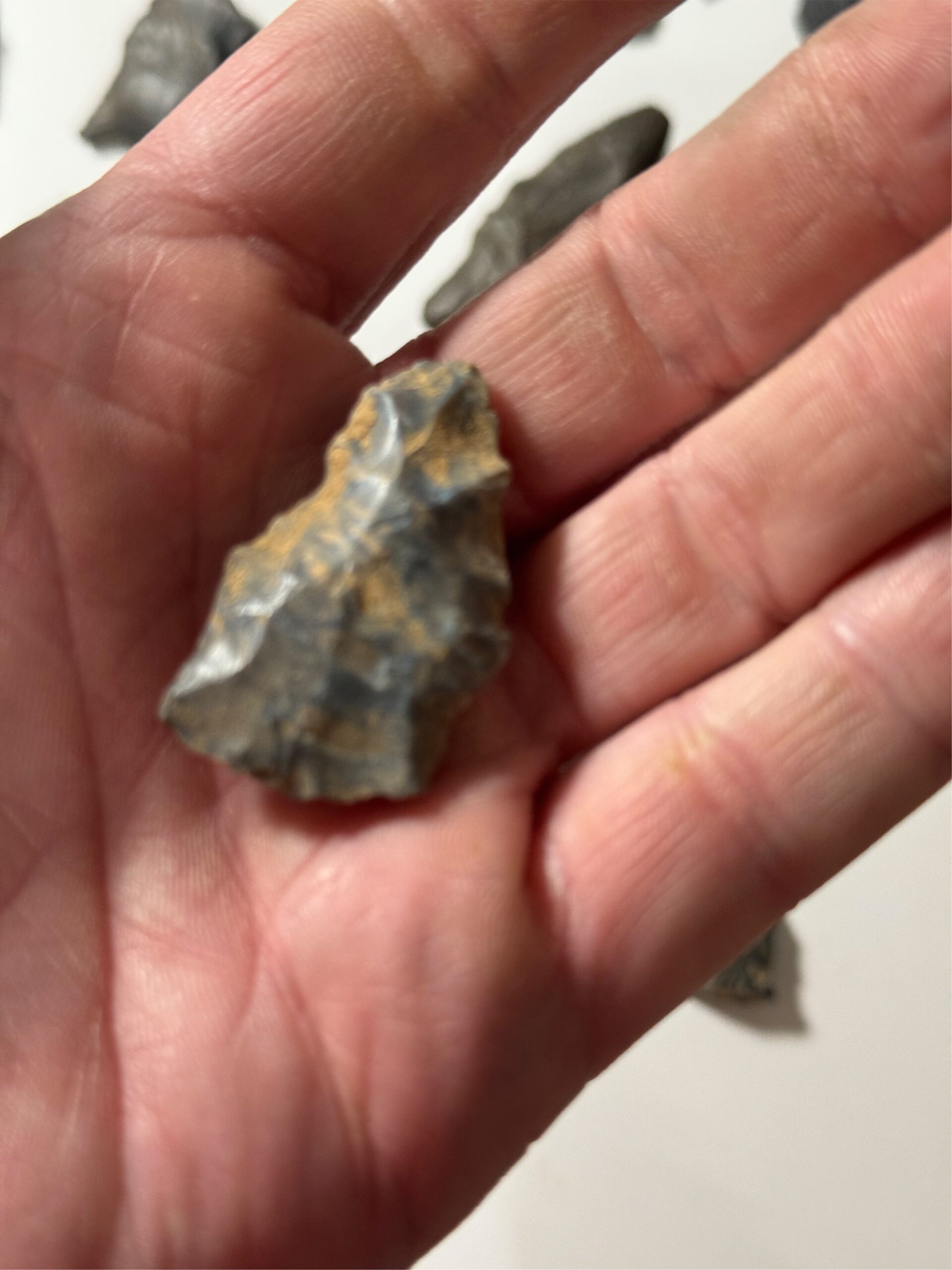
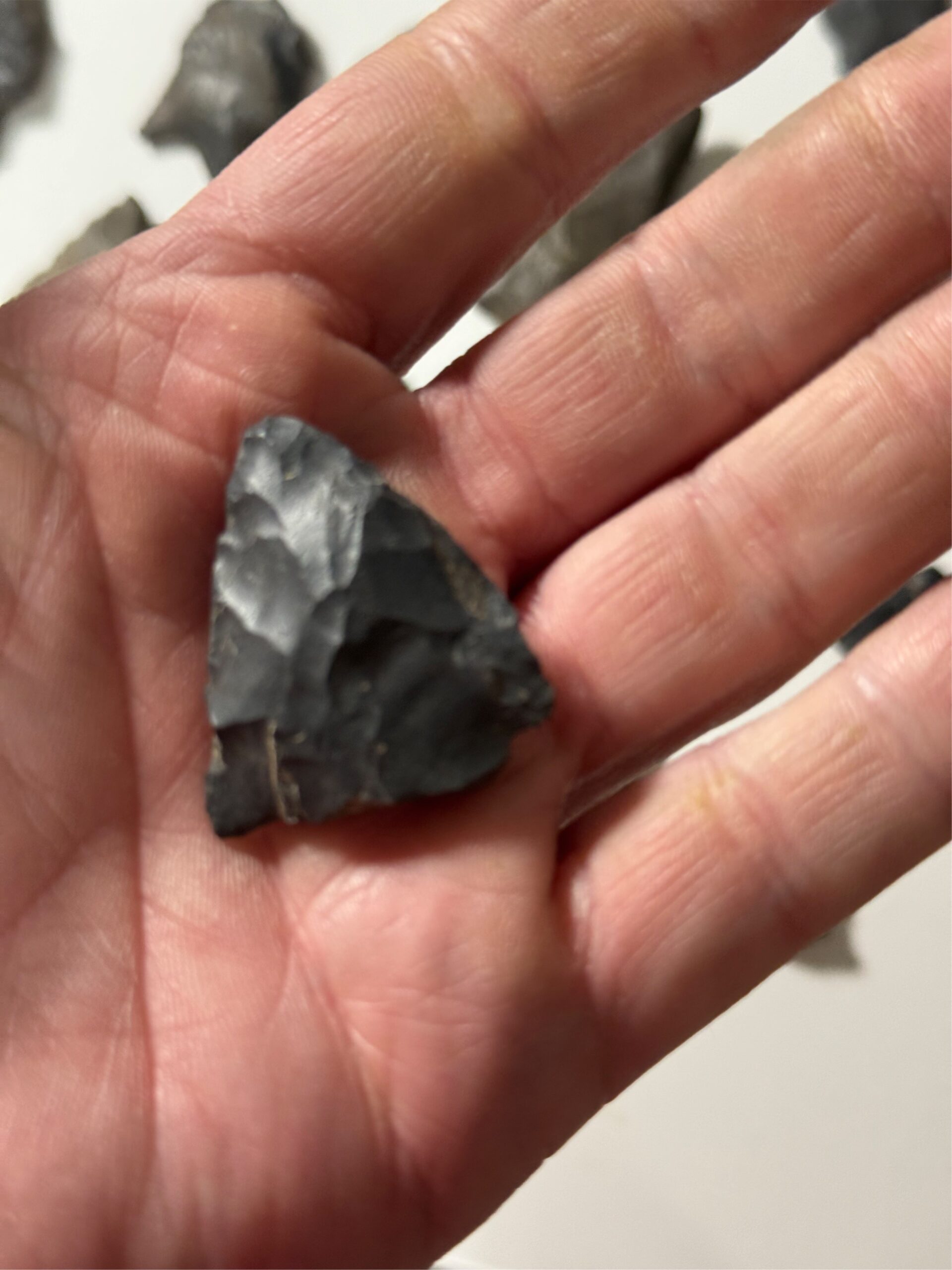
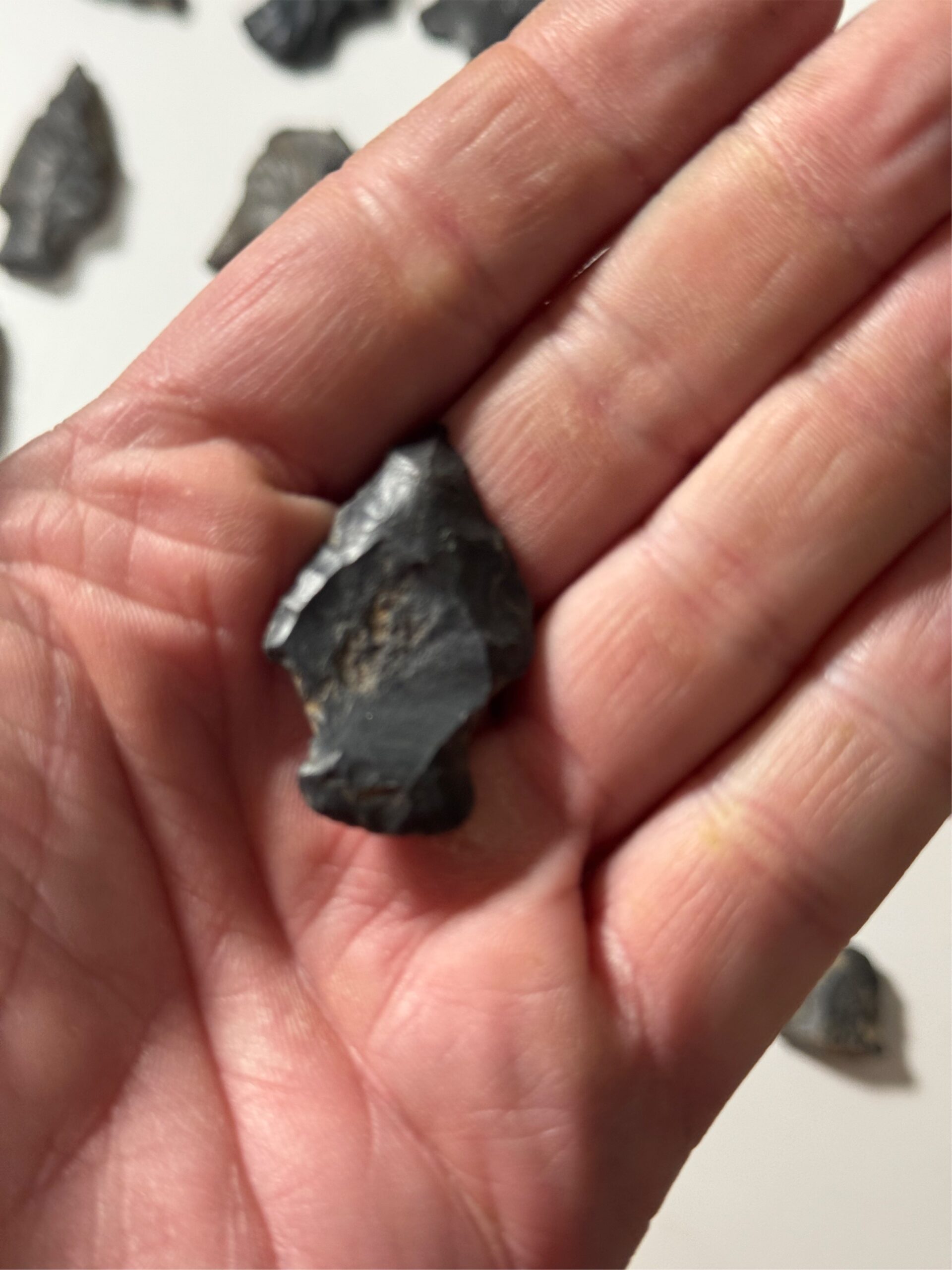
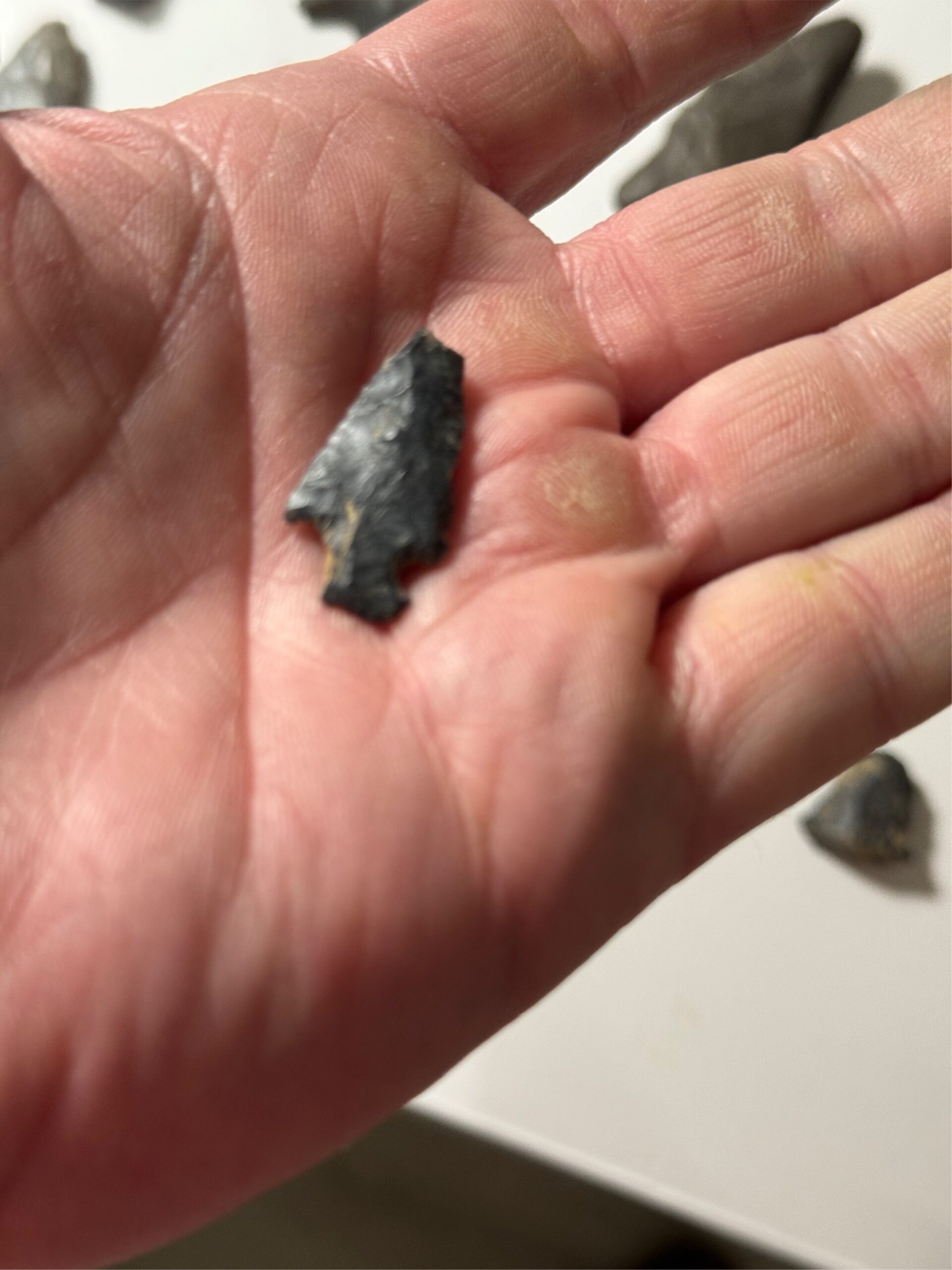
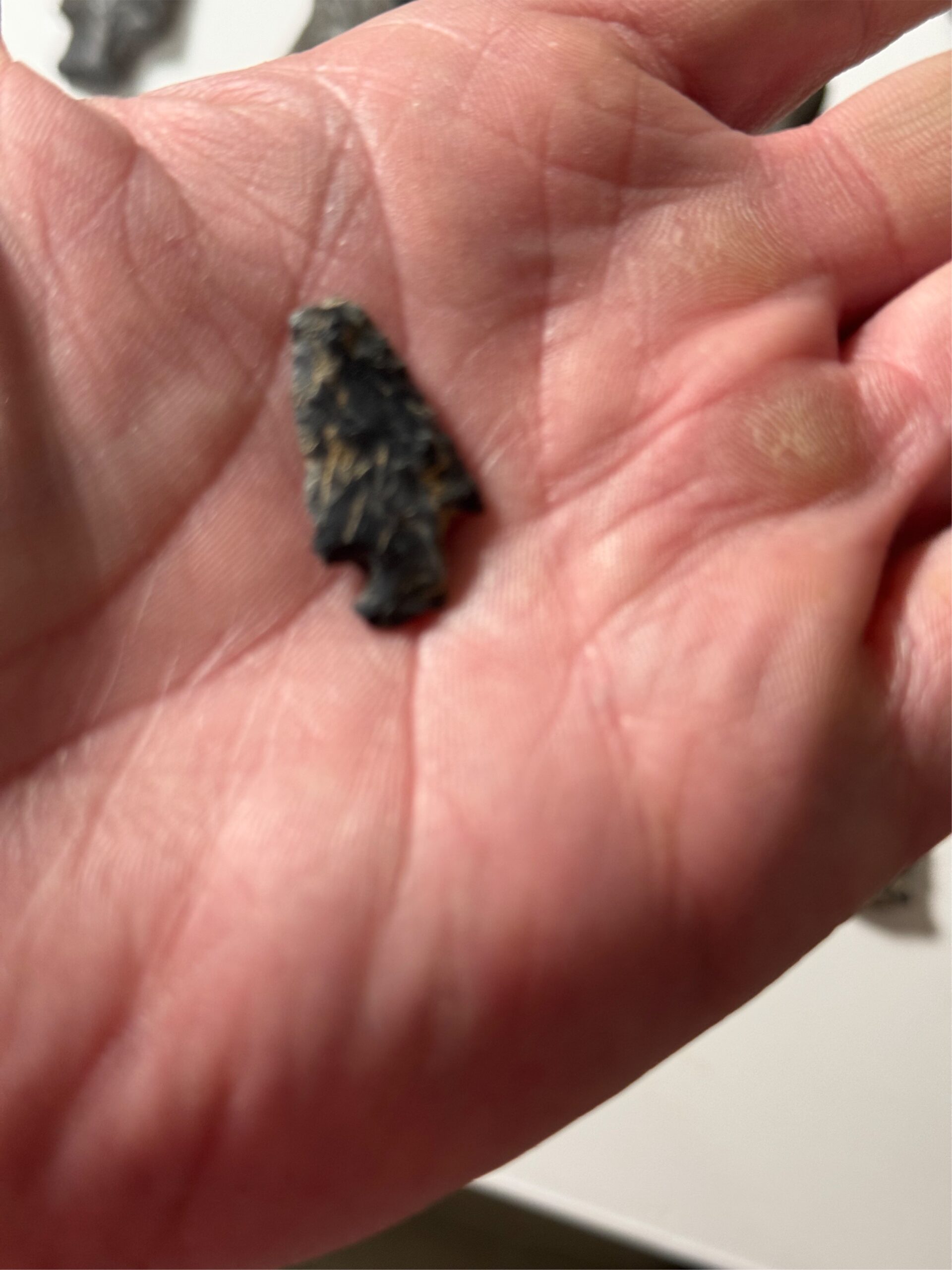
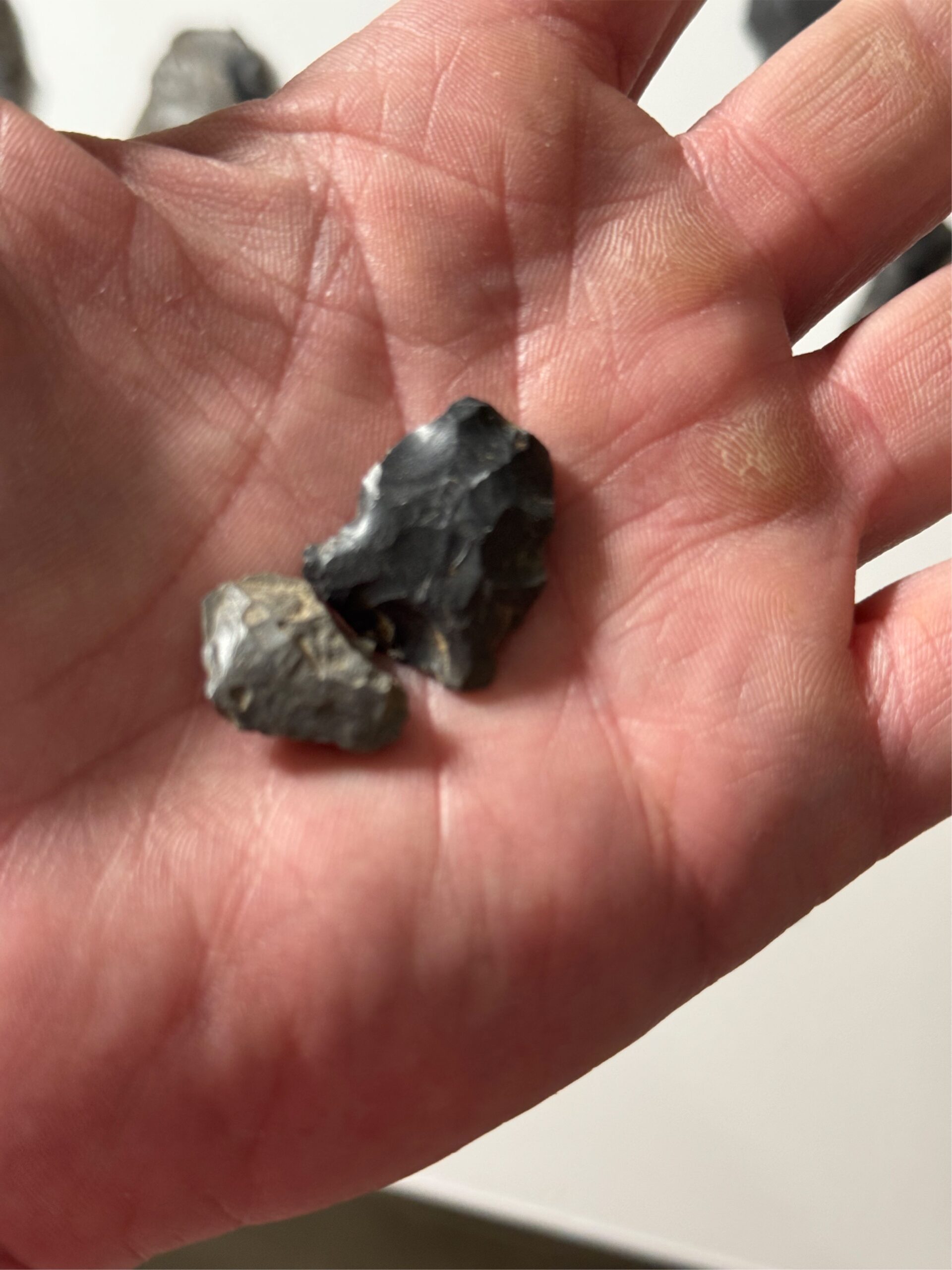
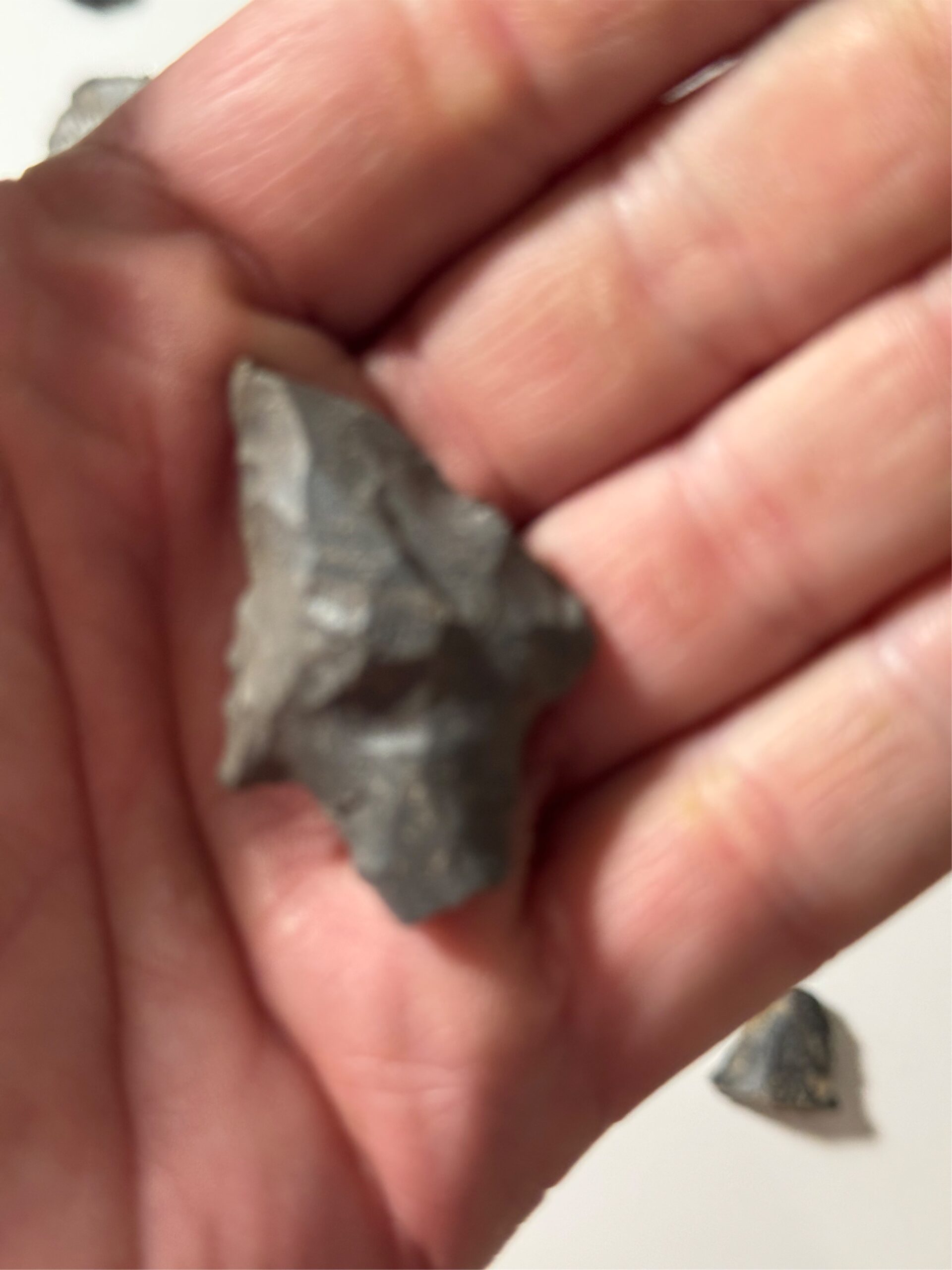
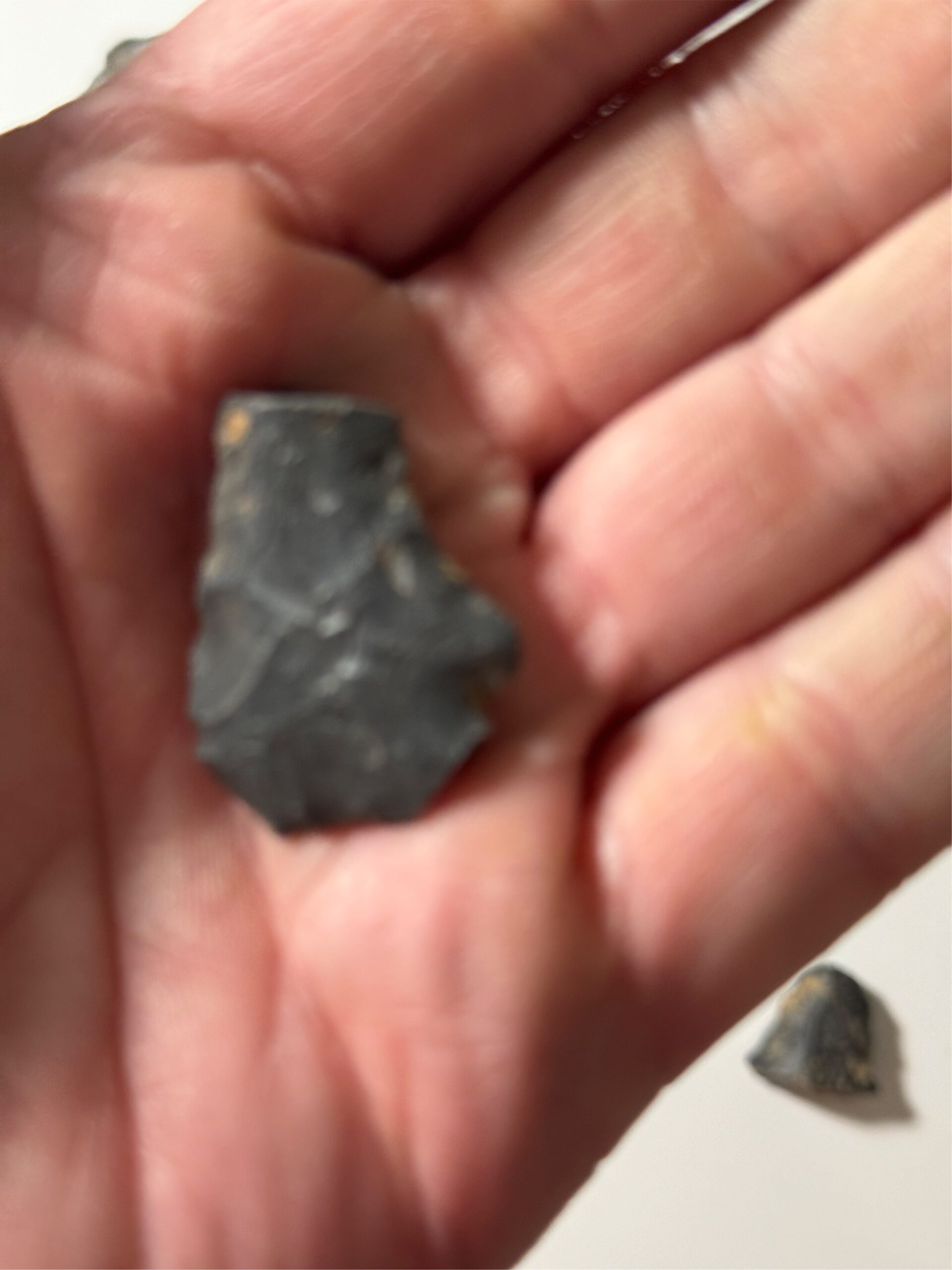
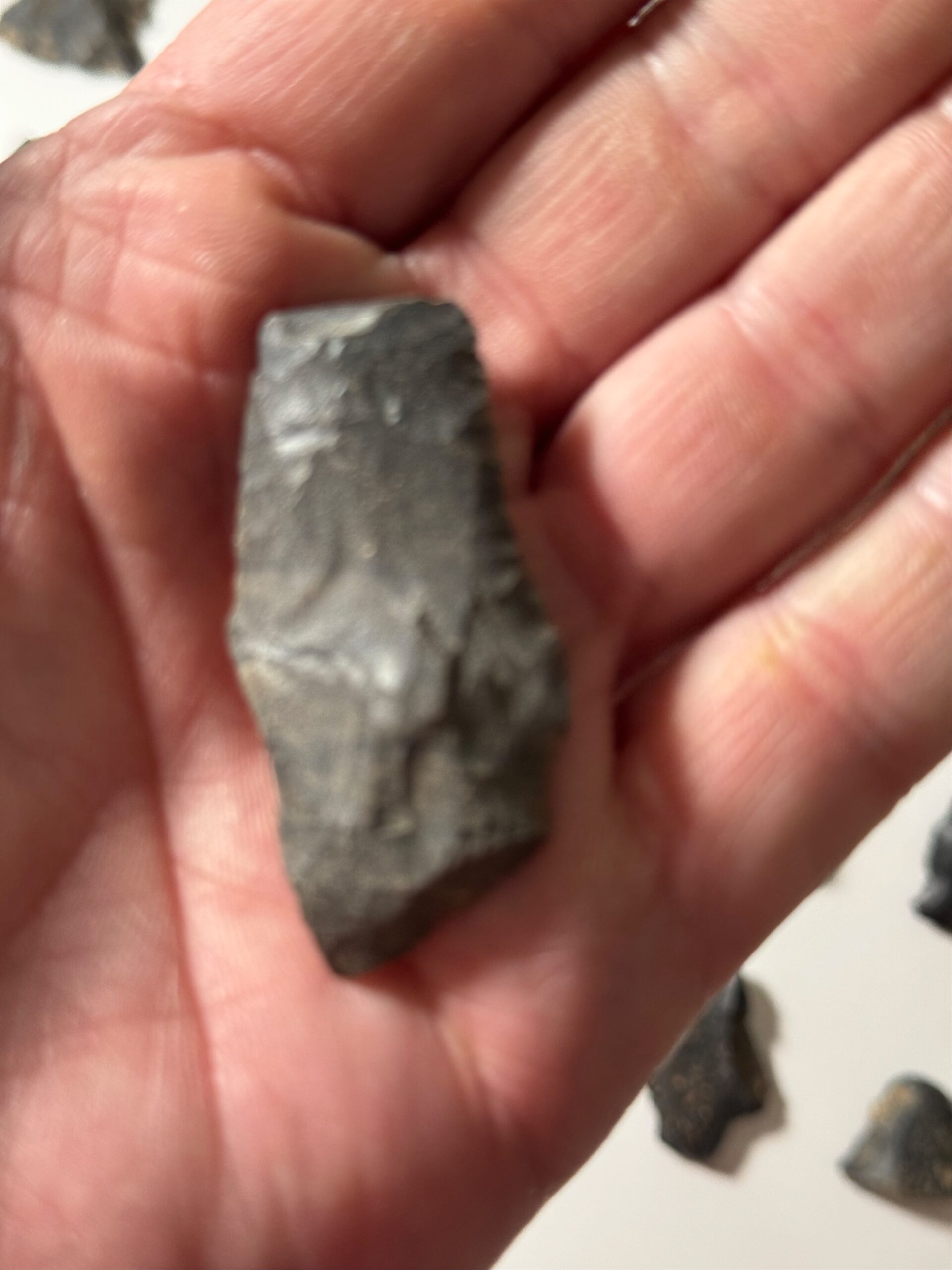
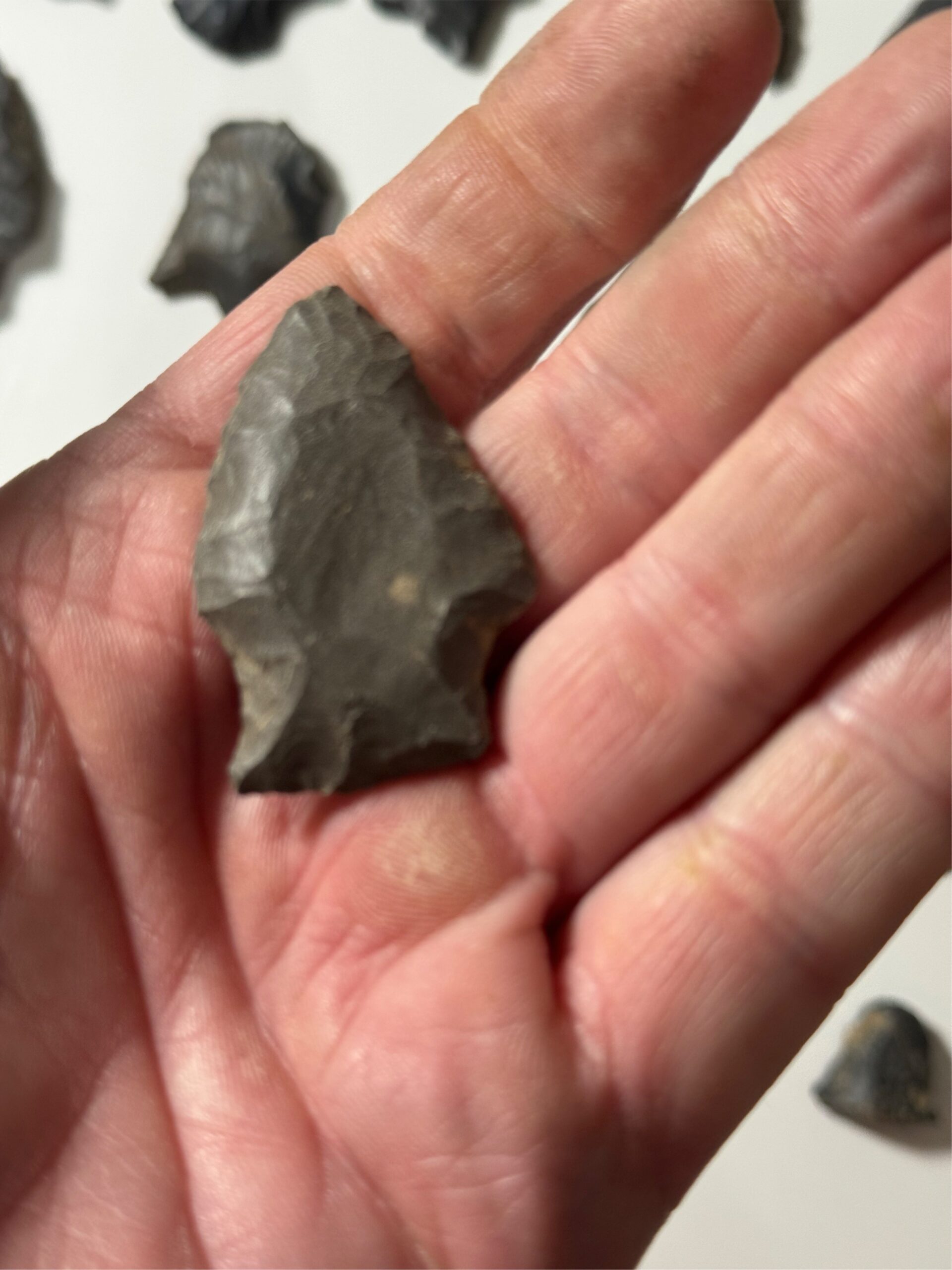
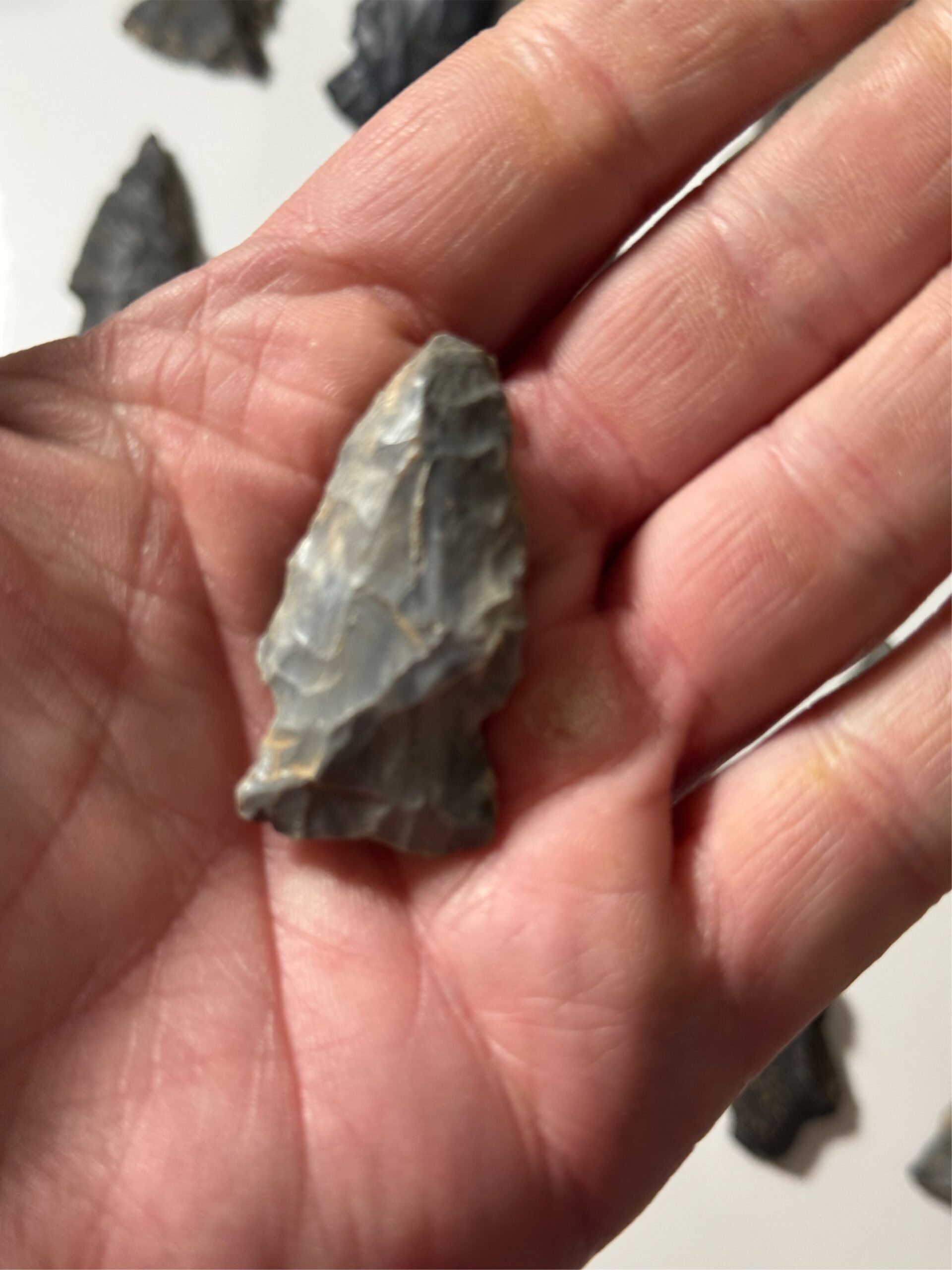
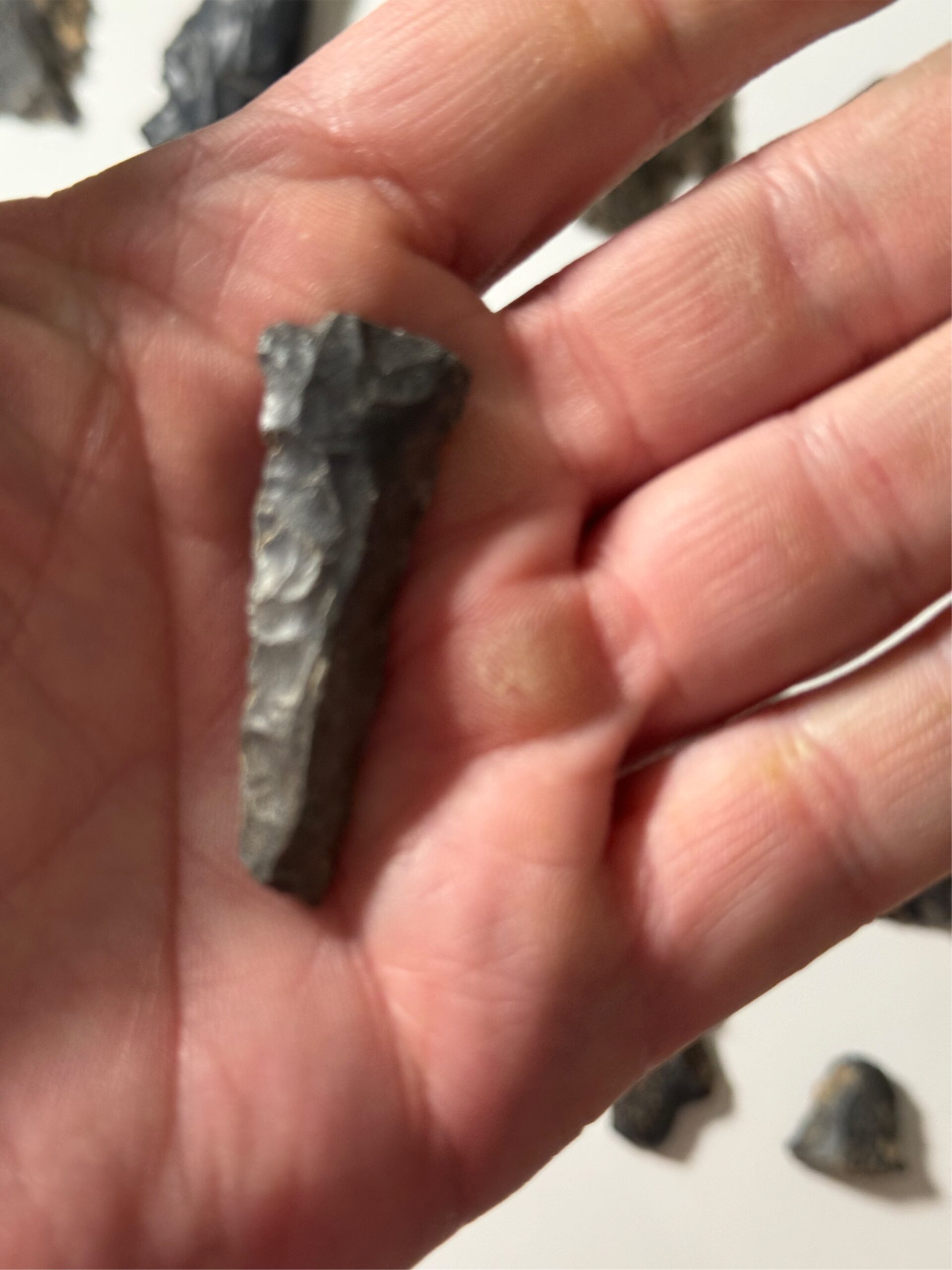
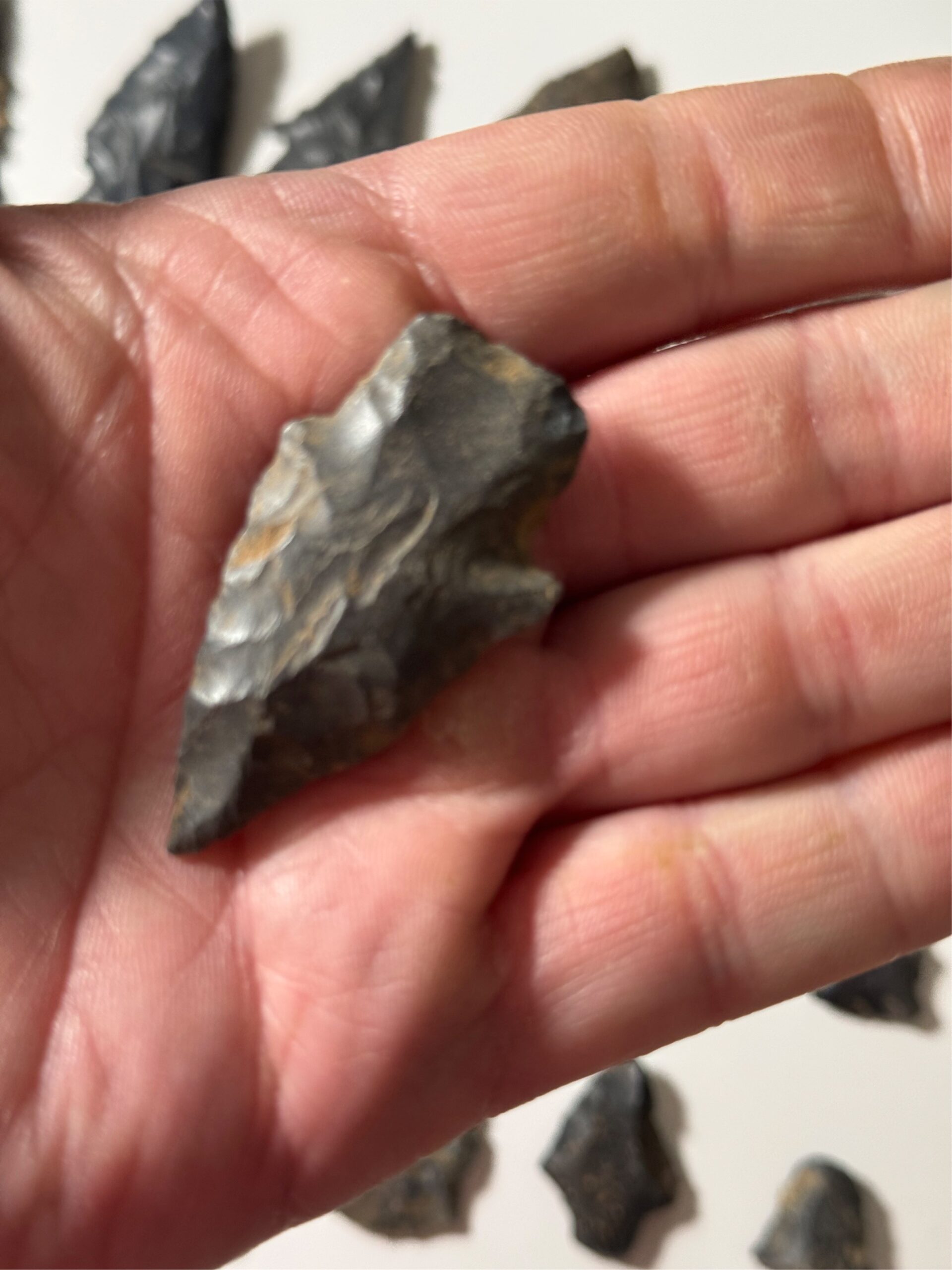
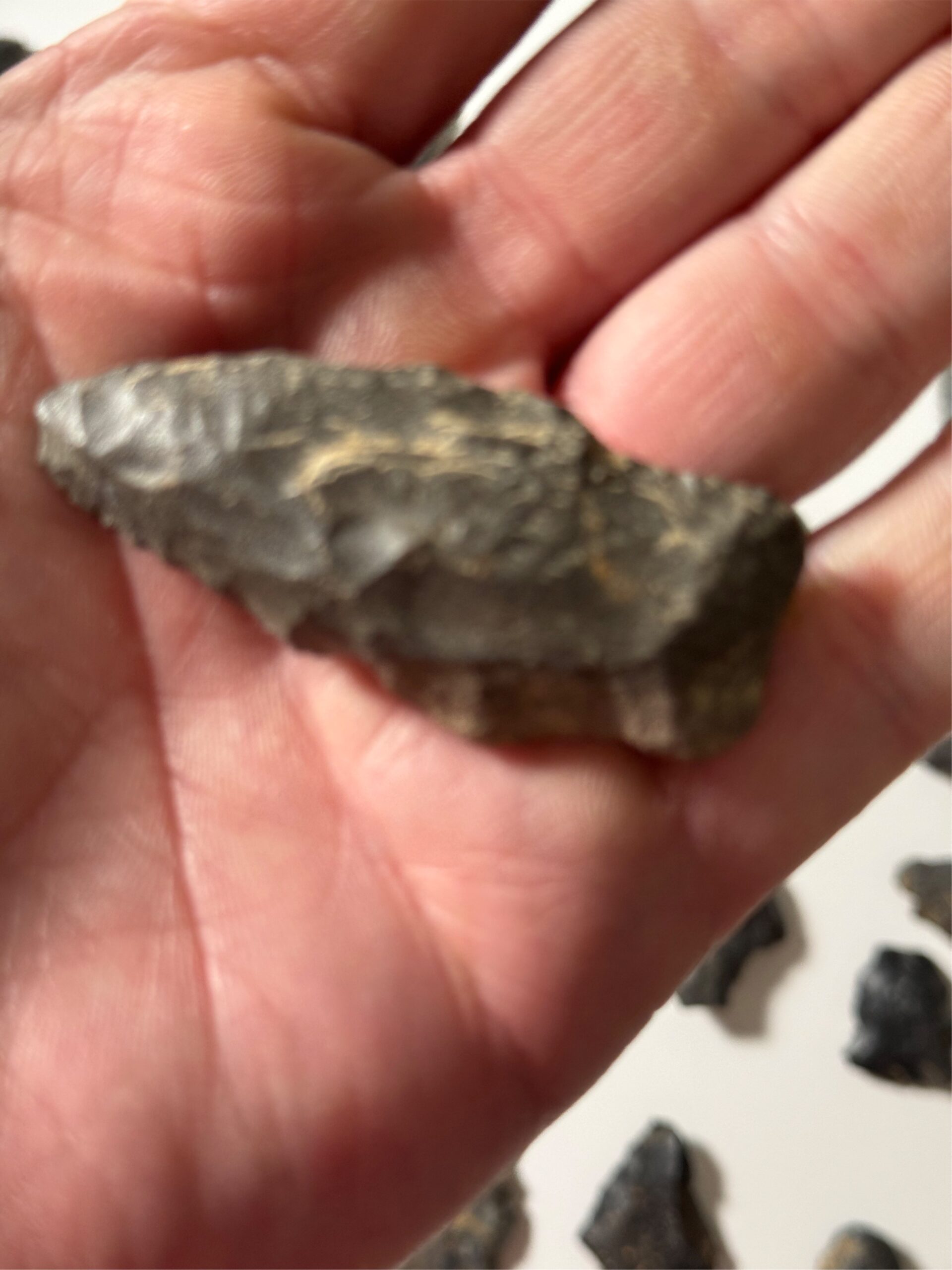
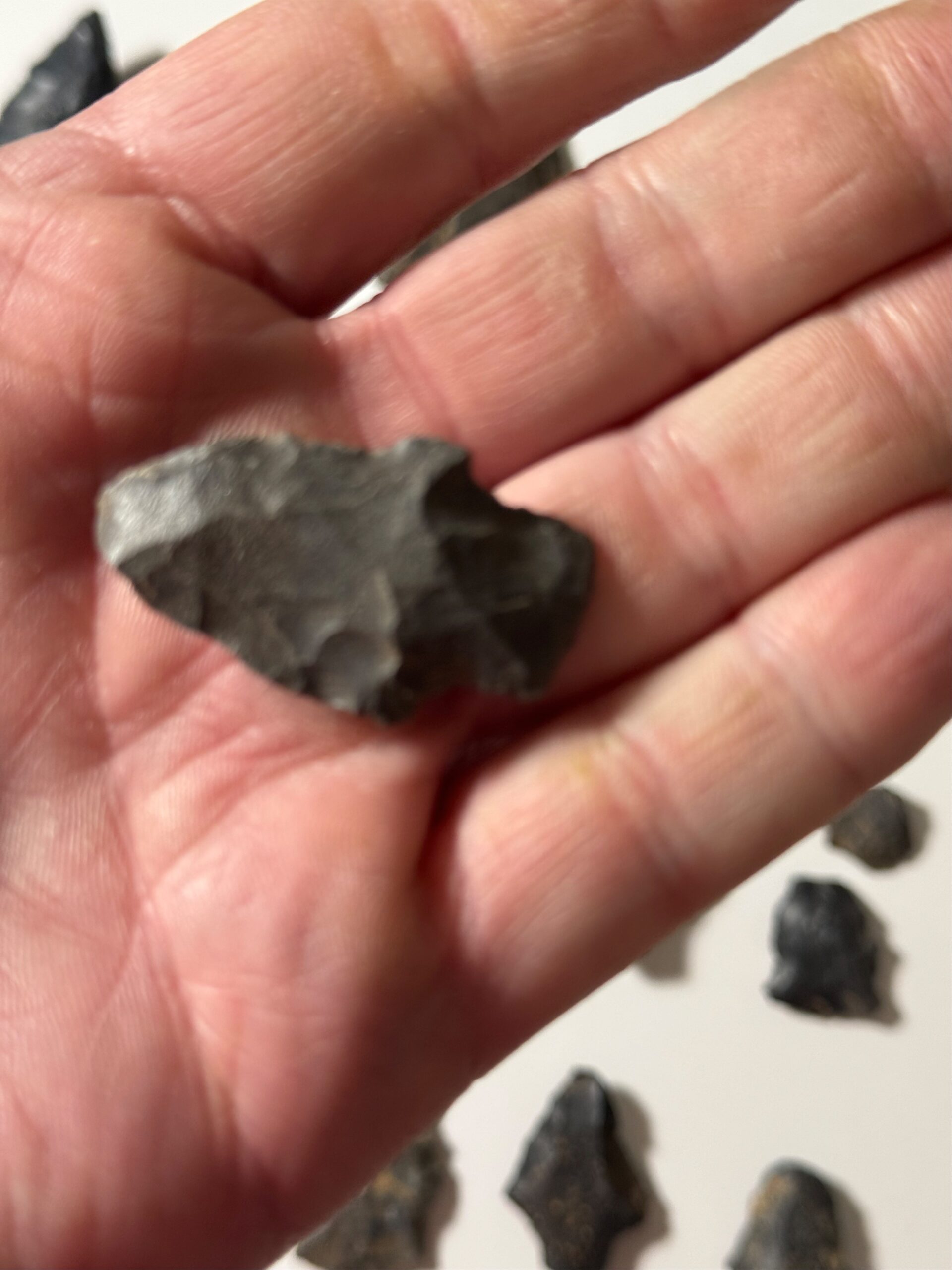
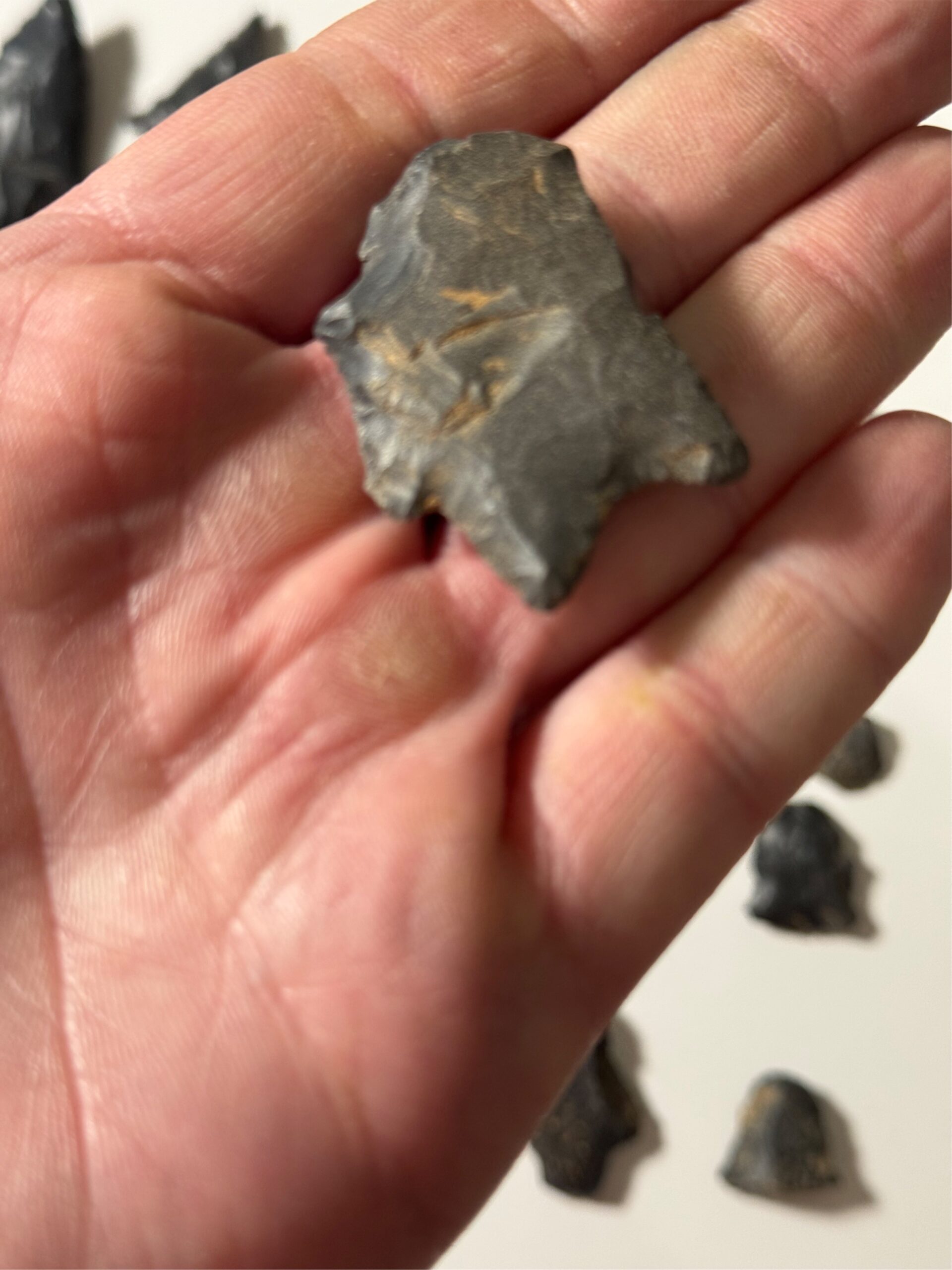
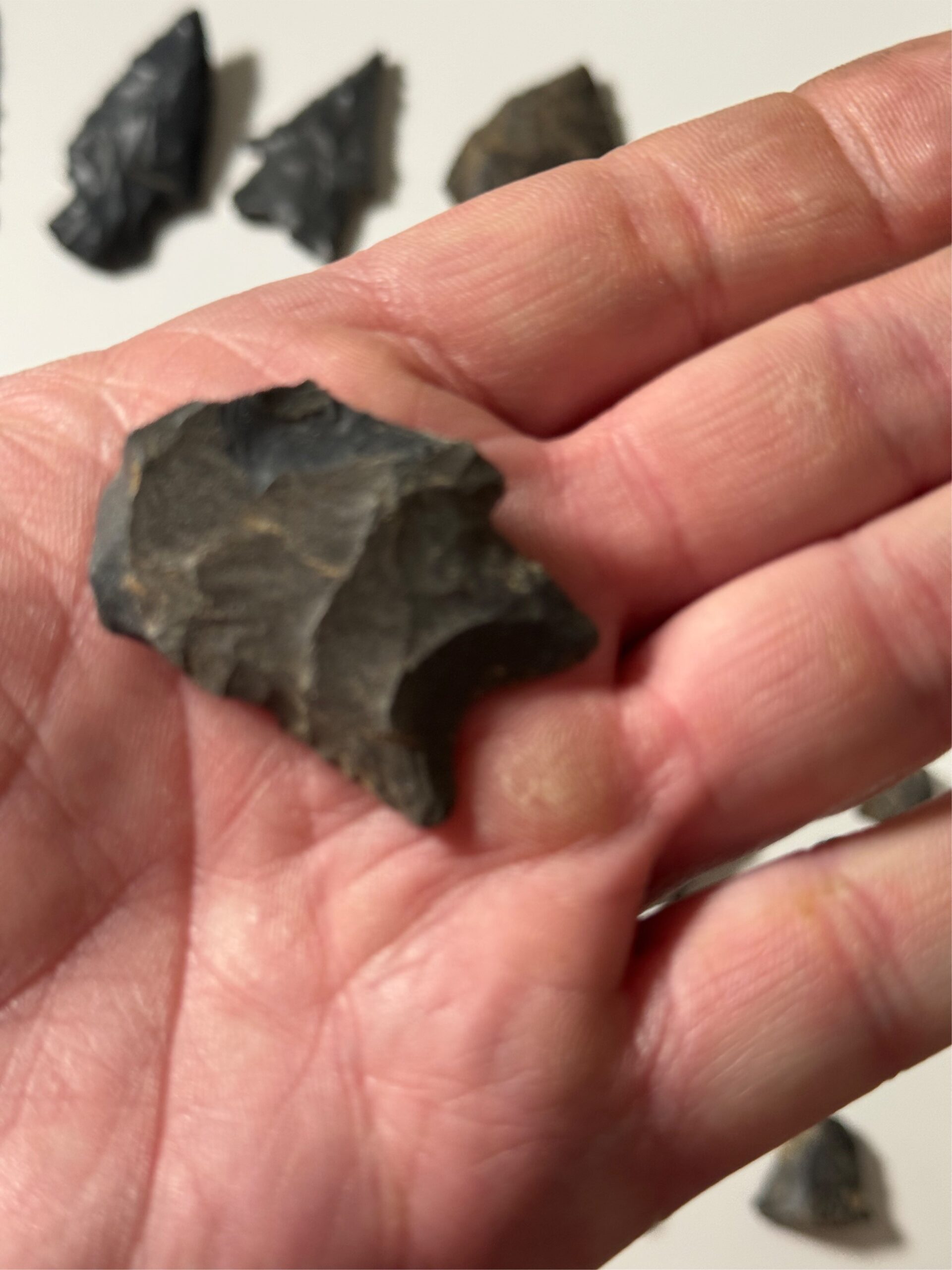
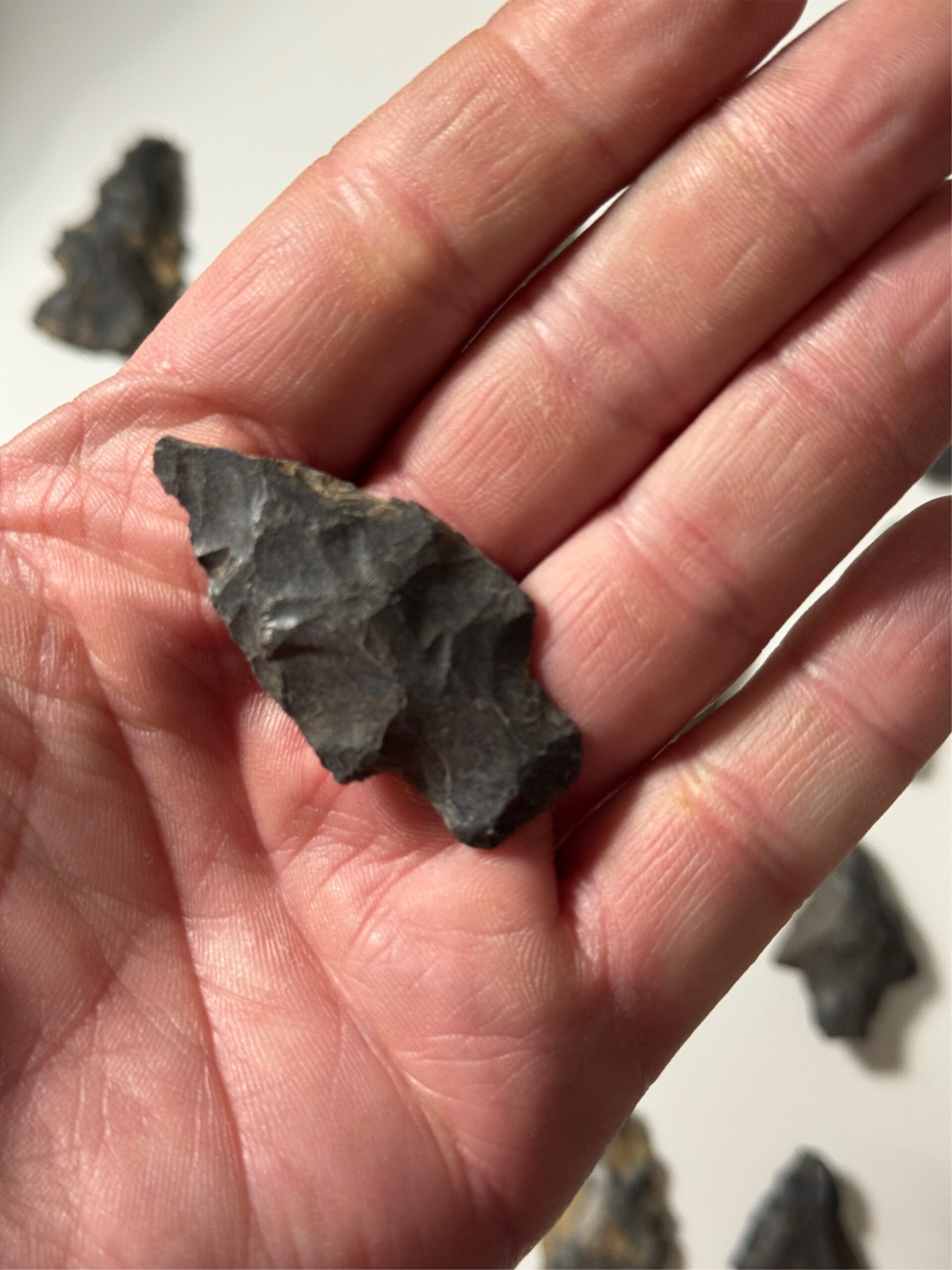
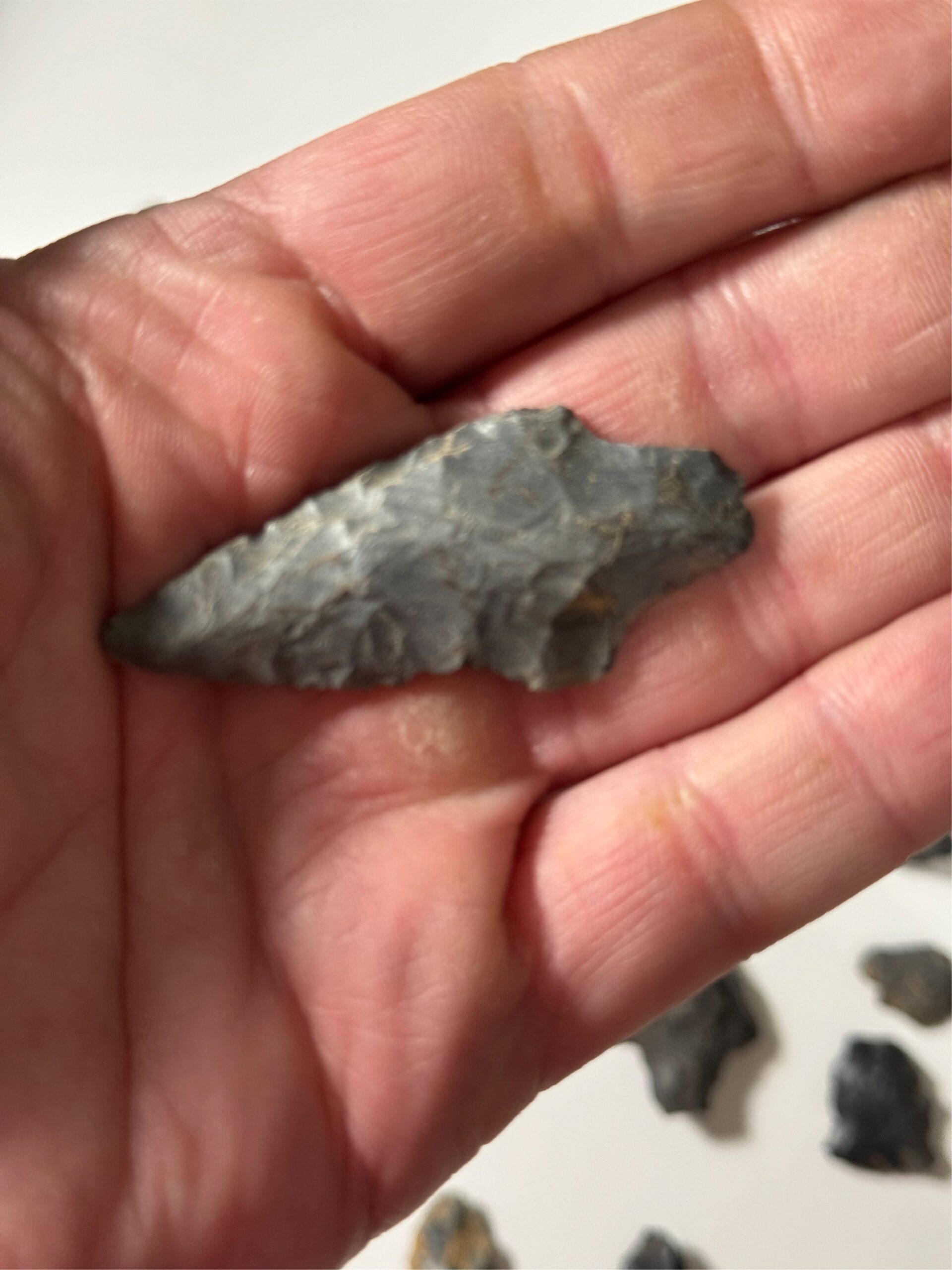
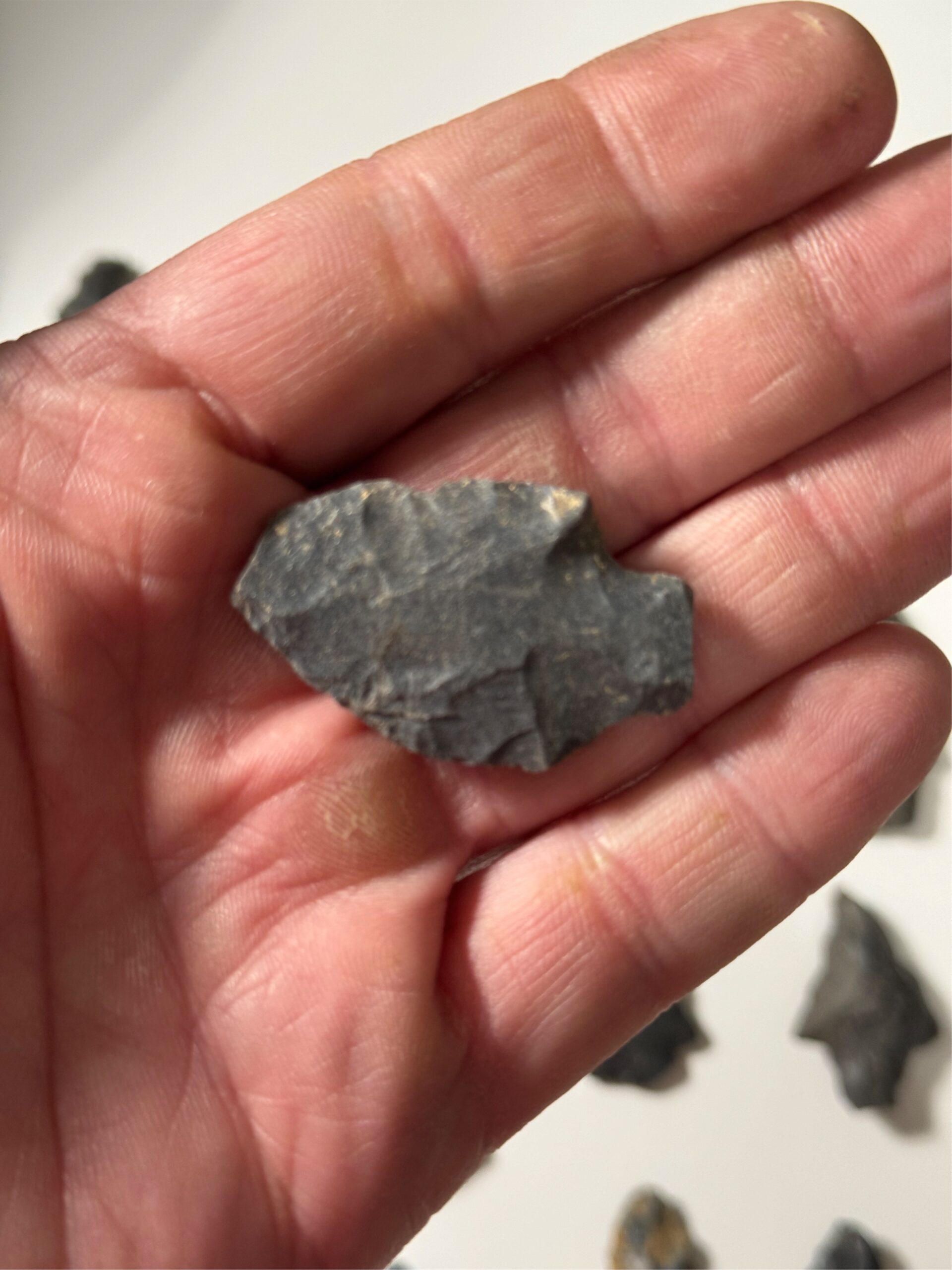
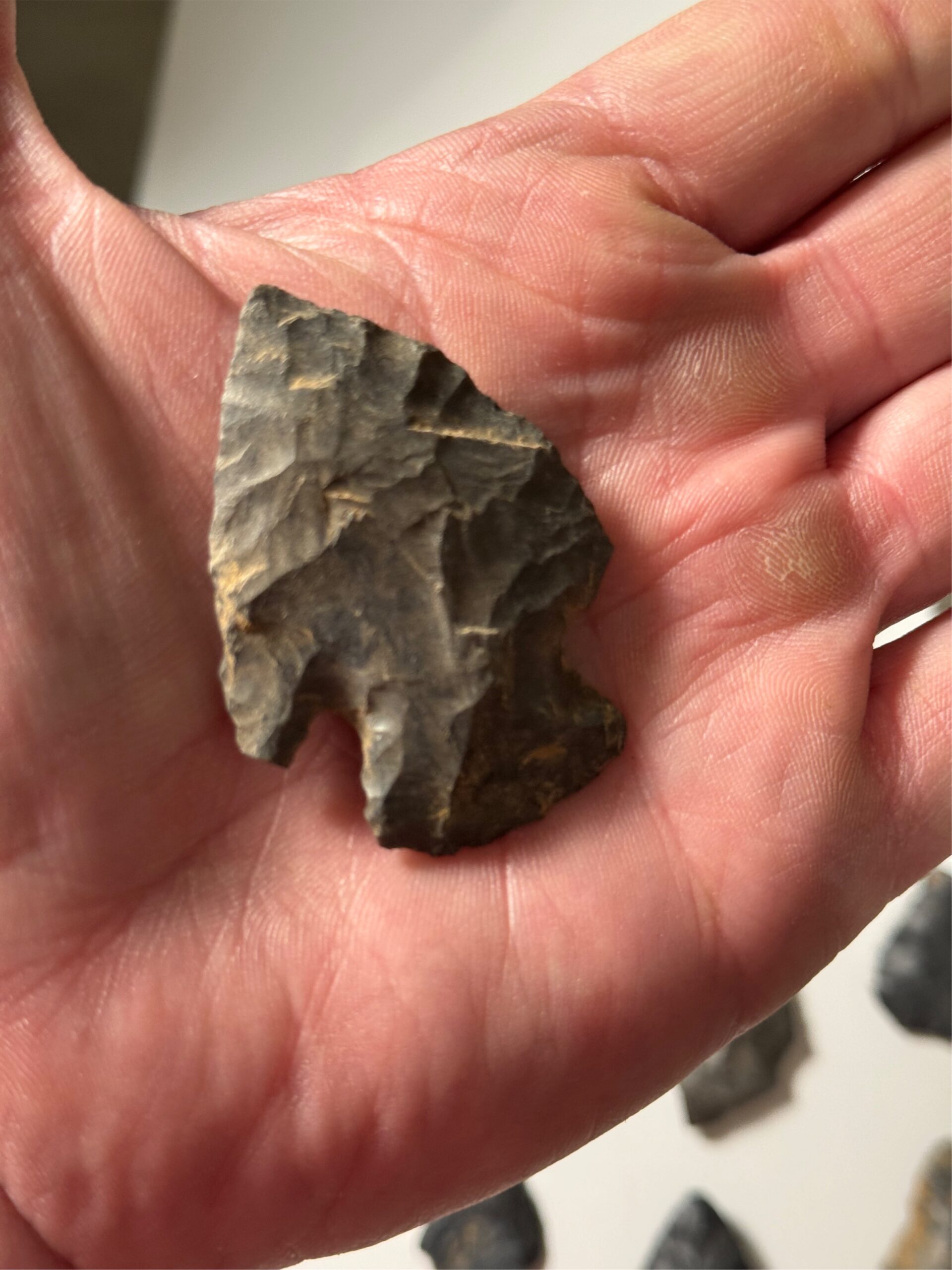
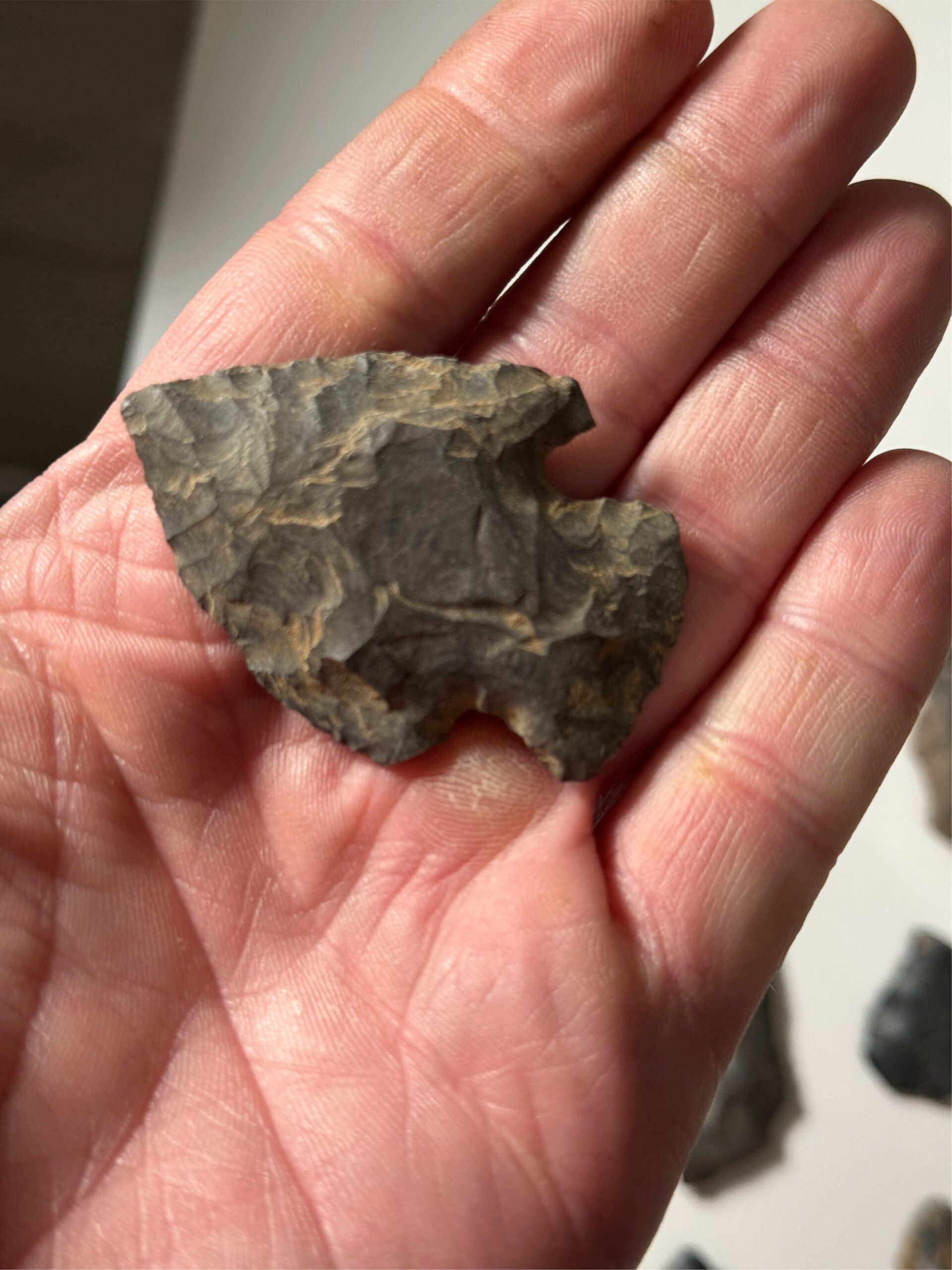
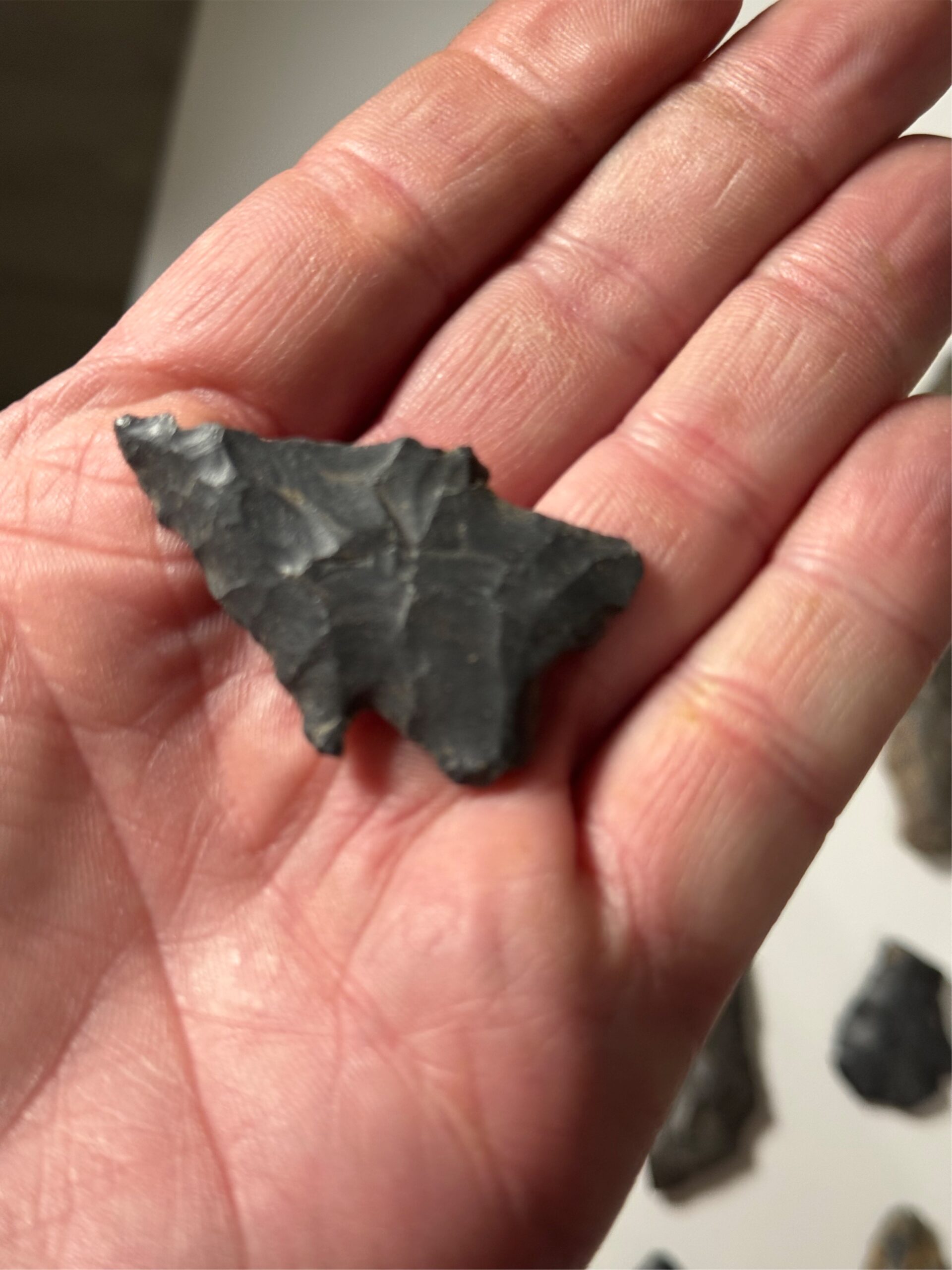
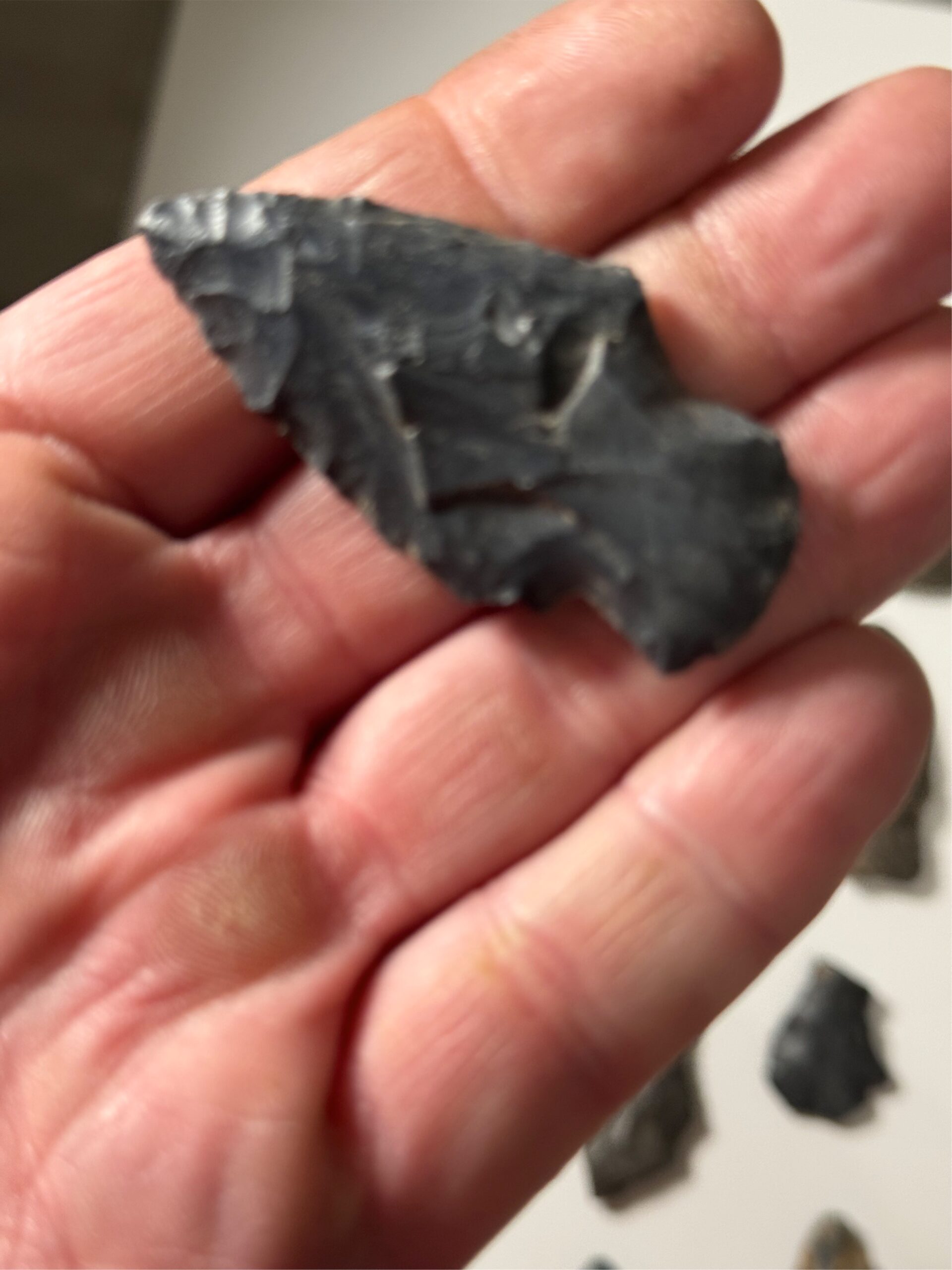
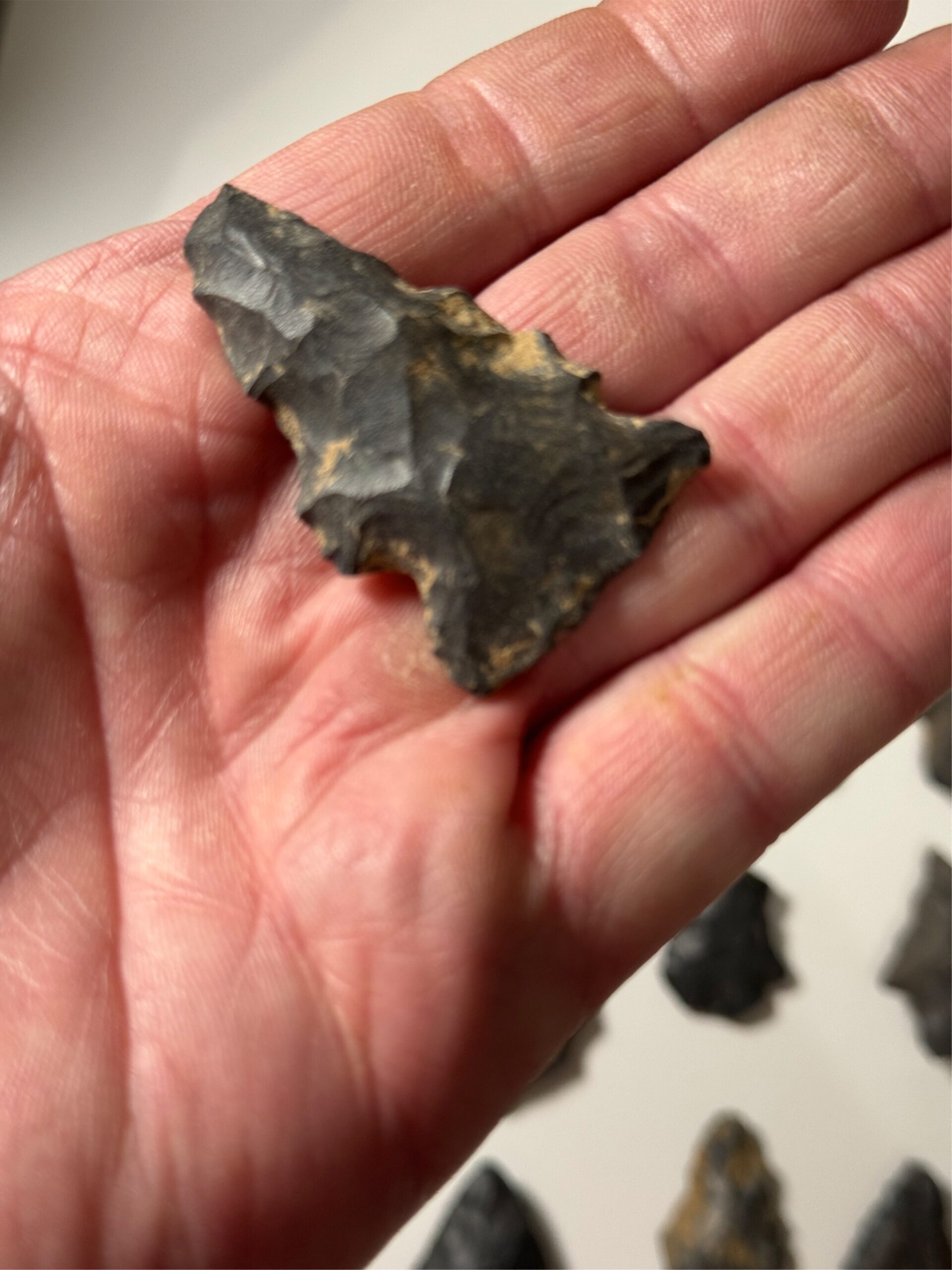
The Cleburne County Arkansas Farm Collection: 30-Piece Lithic Assembly Authentic North Central Arkansas ArtifactsThis exceptional 30-piece collection offers a comprehensive look at the prehistoric lithic technology of the Arkansas Ozark foothills. Personally surface-found on a private farm in Cleburne County, Arkansas, these artifacts have been kept together to preserve their geographic and historical context.Collection Details: Quantity: 30 Hand-Knapped Stone Artifacts. Types included: Projectile points (Early-to-Late Archaic), bifacial knives, scrapers, and tool preforms. Material: Primarily regional Pitkin and Boone Chert, featuring authentic waxy patinas and characteristic percussion scarring. Provenance: Legally recovered from private acreage in North Central Arkansas. This lot represents a single-site assembly, indicating a long-term habitation or workshop area near the Little Red River watershed.Collector’s Note: Single-farm lots of this size are increasingly rare. This assembly is perfect for serious collectors of Arkansas history or as a museum-quality educational display. Typology of the 30-Piece CollectionLooking at the assortment, you have a healthy mix of “Diagnostic” points (identifiable shapes) and utilitarian tools: Projectile Points (Arrows/Darts): You have several stemmed and notched points. Common types found in Cleburne County include Gary, Langtry, and Big Sandy variants. These were used with atlatls (spear throwers) or early bows. Knives & Bifaces: The larger, wider triangular pieces were likely used as handheld butchering knives rather than tipped on a shaft. Preforms & Cores: Several pieces are “blanks”—stones that were roughly shaped at a quarry and brought back to the farm to be finished into specific tools later. Drills/Perforators: Look for the very narrow, needle-like points; these were used for boring holes into wood, bone, or leather. Material: Most of these appear to be Pitkin Chert or Boone Chert. Pitkin is particularly common in North Central Arkansas and is known for its dark, often bluish-black to charcoal-grey color.
Reviews
There are no reviews yet.